Archives
- 2026-08
- 2026-07
- 2026-06
- 2026-05
- 2026-04
- 2026-03
- 2026-02
- 2026-01
- 2025-12
- 2025-11
- 2025-10
- 2025-09
- 2025-03
- 2025-02
- 2025-01
- 2024-12
- 2024-11
- 2024-10
- 2024-09
- 2024-08
- 2024-07
- 2024-06
- 2024-05
- 2024-04
- 2024-03
- 2024-02
- 2024-01
- 2023-12
- 2023-11
- 2023-10
- 2023-09
- 2023-08
- 2023-06
- 2023-05
- 2023-04
- 2023-03
- 2023-02
- 2023-01
- 2022-12
- 2022-11
- 2022-10
- 2022-09
- 2022-08
- 2022-07
- 2022-06
- 2022-05
- 2022-04
- 2022-03
- 2022-02
- 2022-01
- 2021-12
- 2021-11
- 2021-10
- 2021-09
- 2021-08
- 2021-07
- 2021-06
- 2021-05
- 2021-04
- 2021-03
- 2021-02
- 2021-01
- 2020-12
- 2020-11
- 2020-10
- 2020-09
- 2020-08
- 2020-07
- 2020-06
- 2020-05
- 2020-04
- 2020-03
- 2020-02
- 2020-01
- 2019-12
- 2019-11
- 2019-10
- 2019-09
- 2019-08
- 2019-07
- 2019-06
- 2019-05
- 2019-04
- 2018-07
-
Prostanoids typically act in an autocrine
2019-11-07
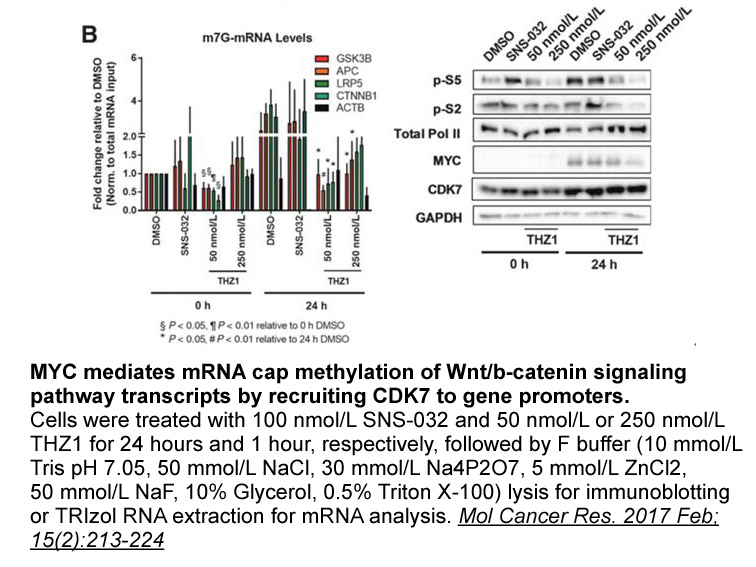
Prostanoids typically act in an autocrine and paracrine fashion by binding to specific receptors in target Sennoside C and there is evidence that both PGE2 and prostacyclin may be required for the optimal activation of angiogenesis (Hata and Breyer, 2004). PGE2 and prostacyclin bind to their specifi
-
The intimate interactions between flavonoids
2019-11-07
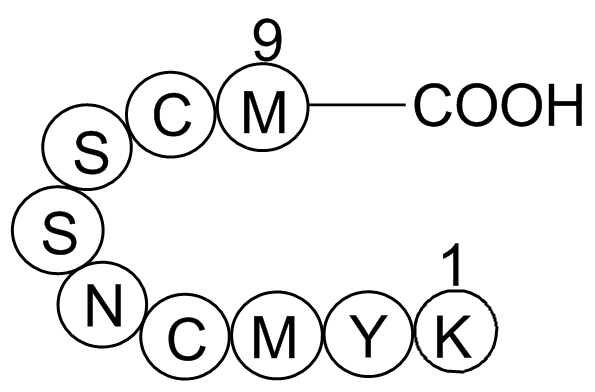
The intimate interactions between flavonoids and ERα have been more extensively studied than their ERβ interactions because of the dominant role of ERα in some important diseases (Ye et al., 2018) including breast cancer (more than 80% of human breast cancers are ERα positive) (Turner et al., 2015),
-
Lavallee et al reported that PREG
2019-11-07
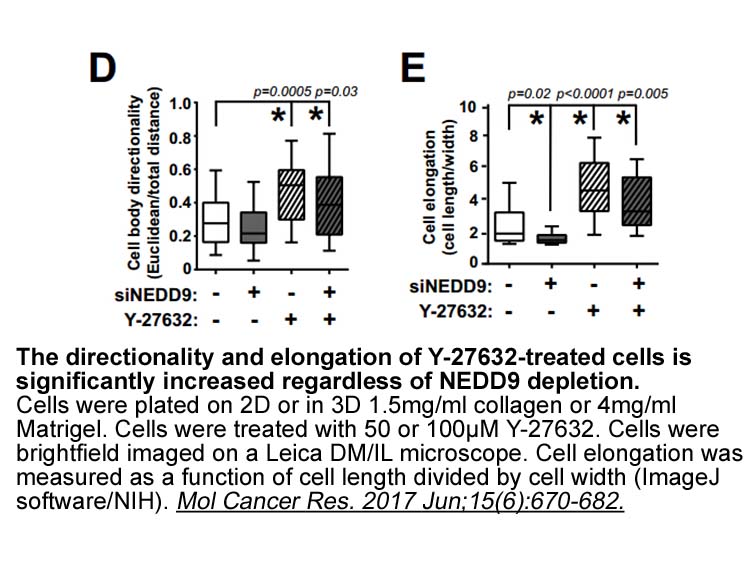
Lavallee et al. [30] reported that PREG could be esterified by lecithin:cholesterol acyltransferase (LCAT). LCAT uses cholesterol and phosphatidyl choline present in the newly formed high-density lipoprotein (HDL) as substrates and convert them into cholesteryl esters and lysophosphatidyl choline. T
-
LDN193189 Hydrochloride receptor A structural explanation fo
2019-11-07

A structural explanation for how RBR RING1s handle their bound E2~Ubs differently from canonical RINGs has not been readily apparent. Only a few residue positions are strongly conserved in RING and RING1 domains, most of which are zinc-coordinating Cys and histidine residues. A key position in canon
-
Intriguingly one E residue may serve as a molecular
2019-11-07
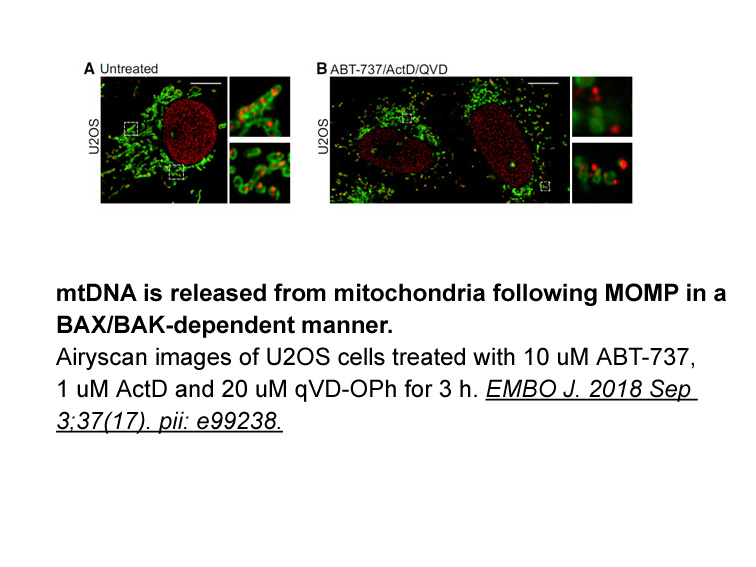
Intriguingly, one E2 residue may serve as a molecular ‘gate’ to allow the C-terminus of ubiquitin to access the closed E2~Ub conformations favorable for ubiquitin transfer. This residue, Asp87 in UbcH5 family members, resides on one side of the opening that leads to the active site Cys (Fig. 4D). In
-
br Results and discussion br Conclusions In
2019-11-07
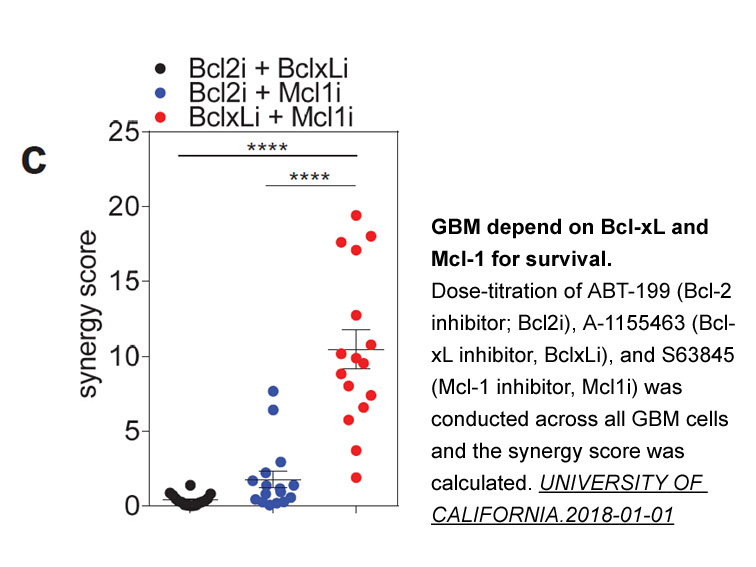
Results and discussion Conclusions In this work, we have conjugated two thermophilic enzymes (i.e., AMY and LASPO) to iron oxide NPs through different conjugation strategies obtaining efficient biocatalysts. We have demonstrated that these NP-enzyme systems can be successfully activated by an
-
br Materials and methods br
2019-11-07
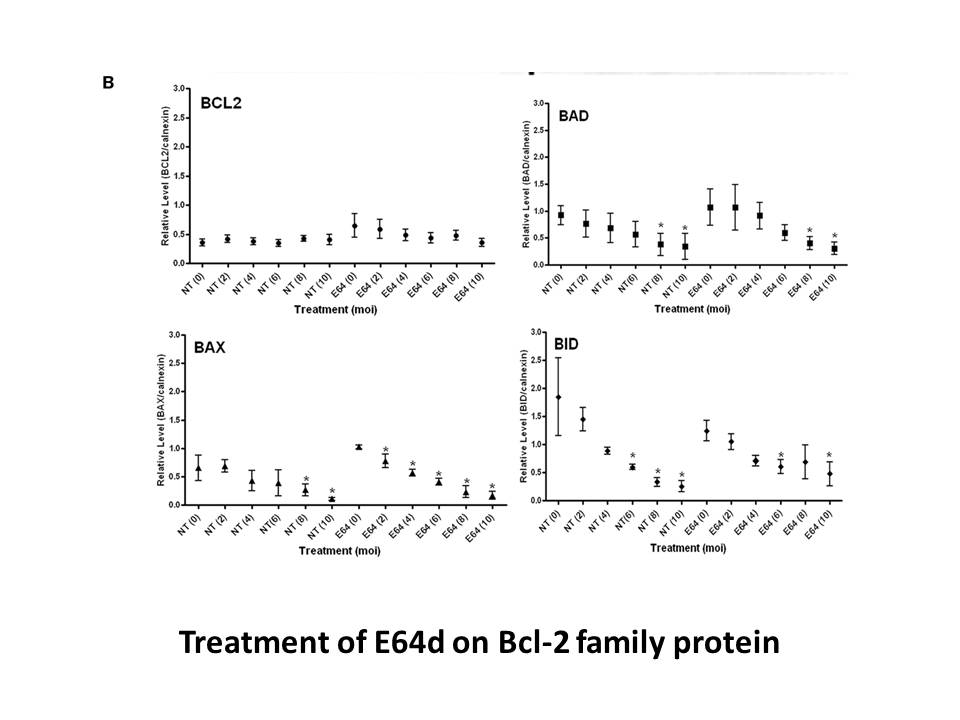
Materials and methods Results Discussion and conclusion The cardiac hypertrophy model can be established by two methods: drug induction and operation. The drug induction method is simple, while the operation method is closer to the real development of the disease. In this experiment, accord
-
Calcium dependence of CaM target interaction was analyzed us
2019-11-06
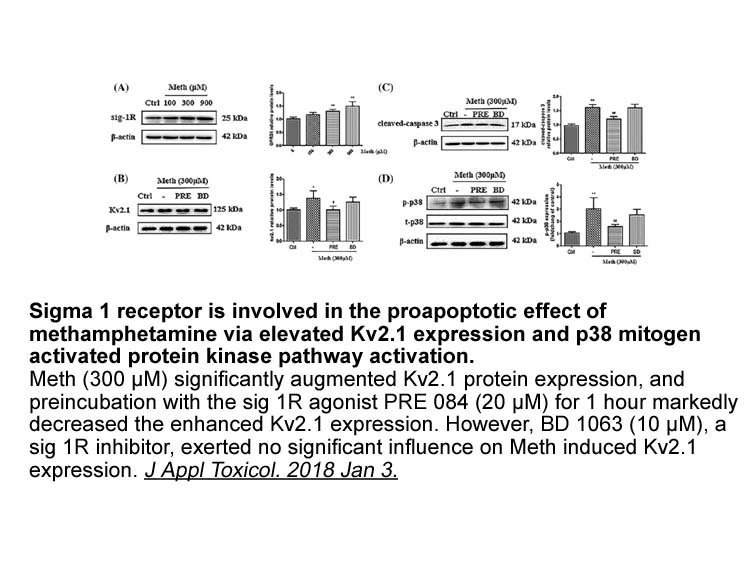
Calcium dependence of CaM/target interaction was analyzed using a titration matrix in which both Ca2+ and CaM concentrations were changed. This gave us access to different parameters characterizing the interaction and namely to the number of bound Ca2+ required for the interaction to occur. Our app
-
CaneCPI showed strong inhibitory activity against
2019-11-06
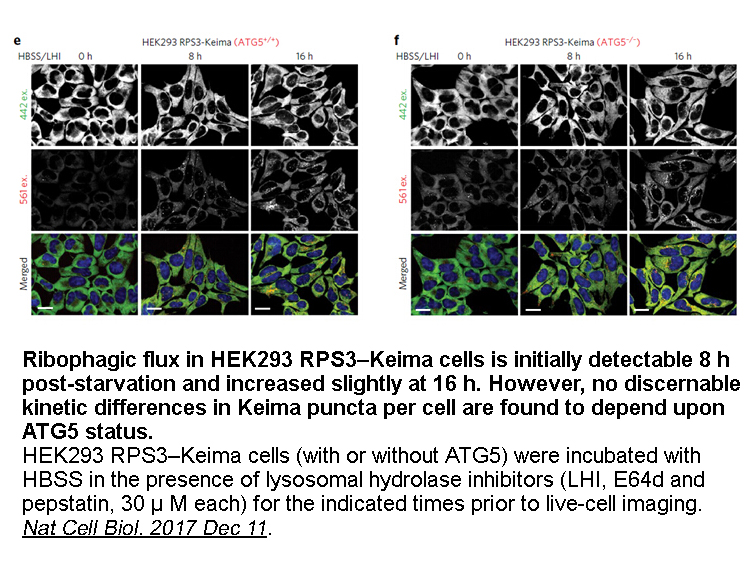
CaneCPI-4 showed strong inhibitory activity against recombinant falcipain-2 and falcipain-3, with IC values of 11.9±0.4nM and 42.3±0.8nM, respectively (Table 1, Supplementary material). Falcipains are involved in hemoglobin cleavage, with generation of two fractions: the heme and the globin. The hem
-
br Material and methods br Results br Discussion Cysticerci
2019-11-06
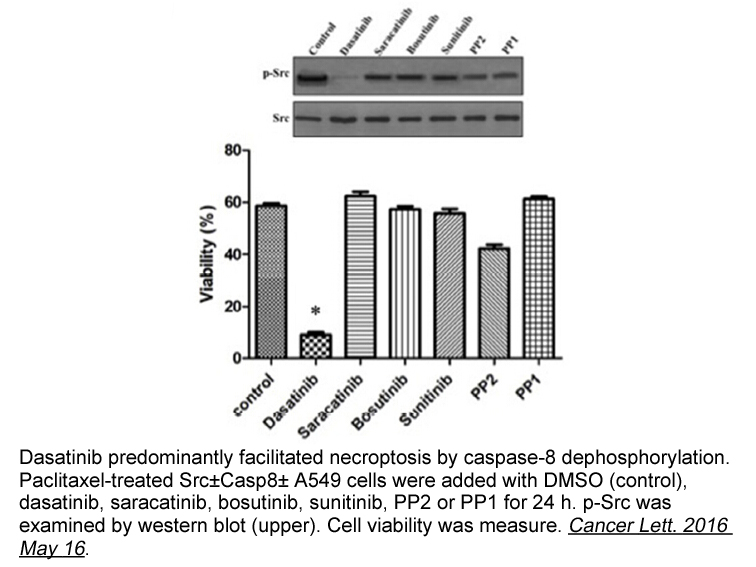
Material and methods Results Discussion Cysticerci located in host tissues are exposed to several effector mechanisms of the immune system (Flisser et al., 1986; Sciutto et al., 2000; Amit et al., 2011; Singh et al., 2013). In addition, the extensive uptake of host proteins by cysticerci ha
-
The development of C S mutation
2019-11-06
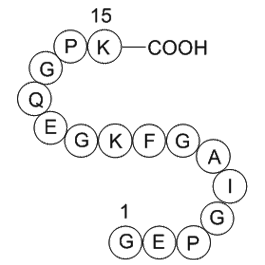
The development of C797S mutation has been reported in vivo in a small cohort (15 subjects) of EGFR T790M positive patients progressing after Osimertinib: this tertiary mutation was found, using a droplet digital PCR (ddPCR) assay, in 40% of patients after AR to this agent, while 33% of the cases ex
-
Griseofulvin We found that Th cells
2019-11-06
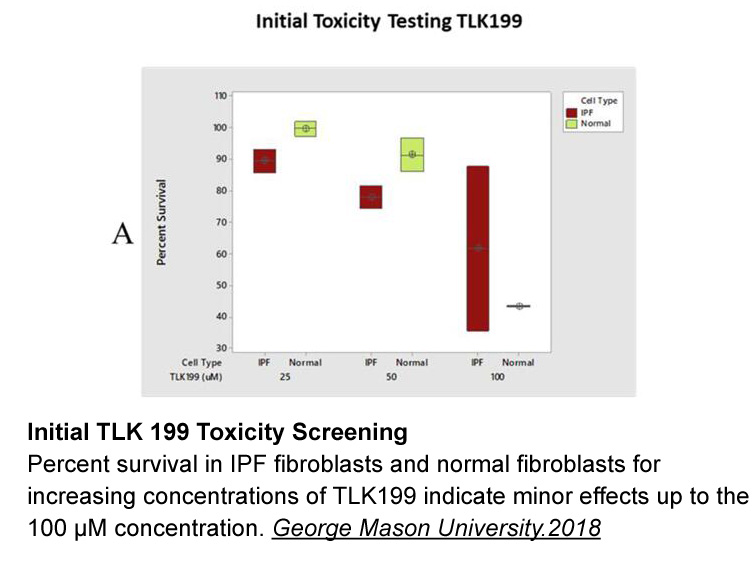
We found that Th17 cells, derived either from in vivo immunization or in vitro polarization under pathogenic conditions (in presence of IL-23 and/or IL-1β) expressed high levels of EBI2. In contrast, Th17 Griseofulvin that were generated in absence of IL-23 or IL-1β lost EBI2 expression during diff
-
fauc In conclusion our results demonstrate that
2019-11-06
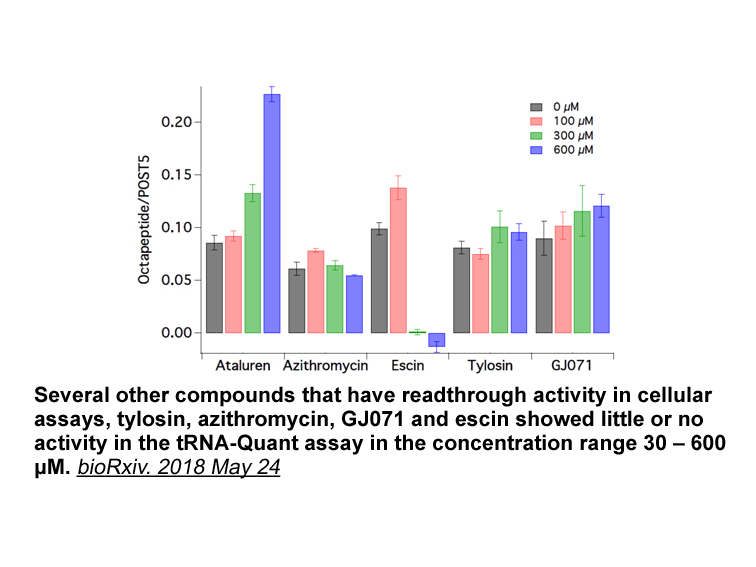
In conclusion, our results demonstrate that CCLP promoted osteoblast proliferation, differentiation, and mineralization via activation of ERK, p38, and Smad1/5/8 (Fig. 9). The residues of the GGKQNVGFGP-sequence in CCLP showed the highest significant binding relationship with the target activin rece
-
br STAR Methods br Acknowledgments We thank the City of
2019-11-06
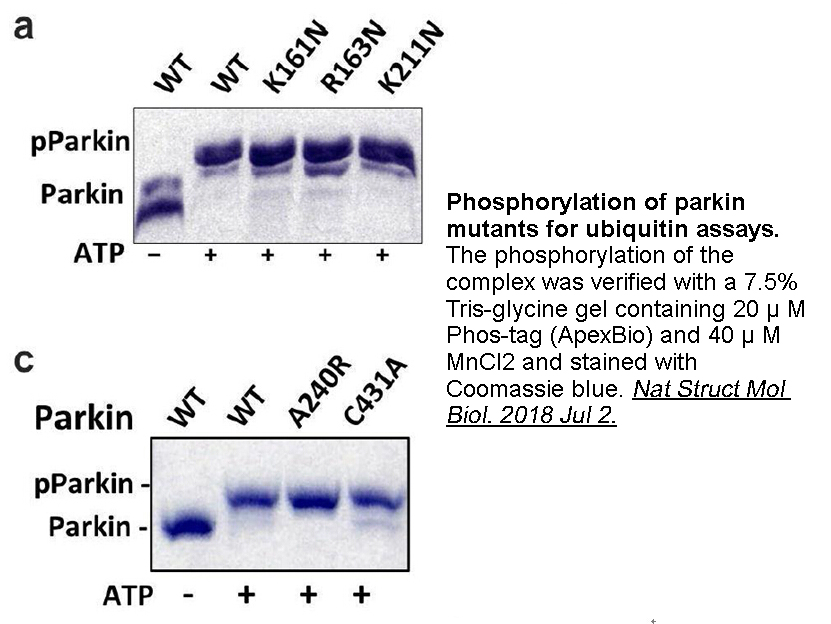
STAR★Methods Acknowledgments We thank the City of Hope core facilities, including the Animal Model Core, Bioinformatic Core, NMR Core, Flow Cytometry Core, and Florescence Microscopy Core for excellent technical support, and NIH grants R01GM086171, R01GM102538, and R01CA212119, R01CA216987, an
-
The HPV E proteins are acidic
2019-11-06
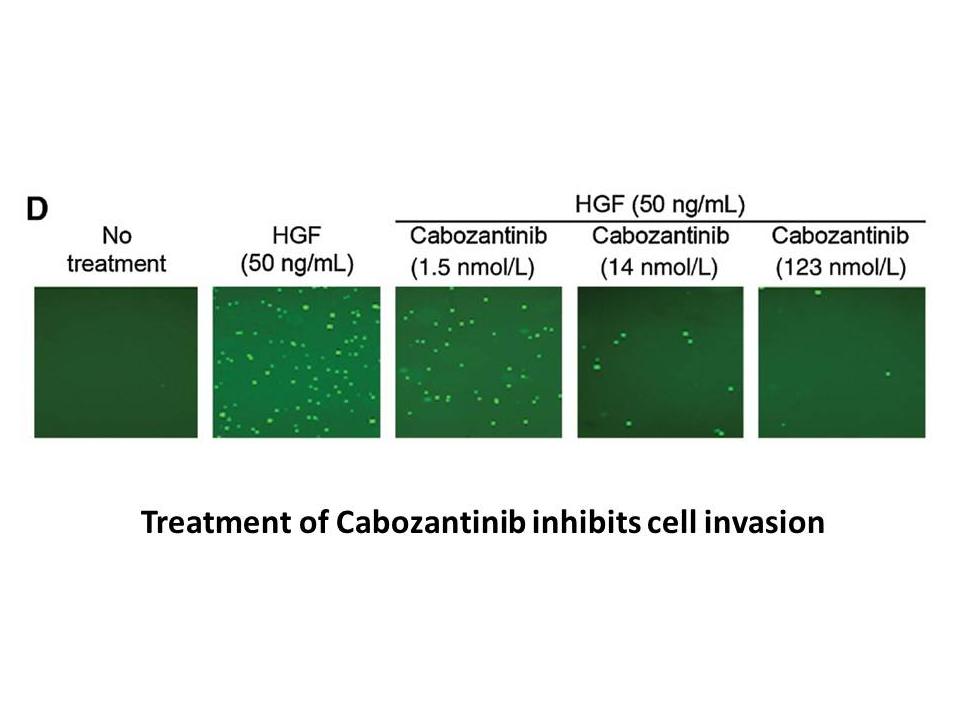
The HPV E7 proteins are acidic oncoproteins of approximately 98–103 RG2833 that contain 3 domains: the conserved region (CR) 1, CR2, and the carboxyl terminal (C-terminal) domain. The CR1 domain is necessary for cellular transformation and RB degradation in mucosal high risk HPVs. The CR2 domain co
15692 records 937/1047 page Previous Next First page 上5页 936937938939940 下5页 Last page