Archives
- 2026-08
- 2026-07
- 2026-06
- 2026-05
- 2026-04
- 2026-03
- 2026-02
- 2026-01
- 2025-12
- 2025-11
- 2025-10
- 2025-09
- 2025-03
- 2025-02
- 2025-01
- 2024-12
- 2024-11
- 2024-10
- 2024-09
- 2024-08
- 2024-07
- 2024-06
- 2024-05
- 2024-04
- 2024-03
- 2024-02
- 2024-01
- 2023-12
- 2023-11
- 2023-10
- 2023-09
- 2023-08
- 2023-06
- 2023-05
- 2023-04
- 2023-03
- 2023-02
- 2023-01
- 2022-12
- 2022-11
- 2022-10
- 2022-09
- 2022-08
- 2022-07
- 2022-06
- 2022-05
- 2022-04
- 2022-03
- 2022-02
- 2022-01
- 2021-12
- 2021-11
- 2021-10
- 2021-09
- 2021-08
- 2021-07
- 2021-06
- 2021-05
- 2021-04
- 2021-03
- 2021-02
- 2021-01
- 2020-12
- 2020-11
- 2020-10
- 2020-09
- 2020-08
- 2020-07
- 2020-06
- 2020-05
- 2020-04
- 2020-03
- 2020-02
- 2020-01
- 2019-12
- 2019-11
- 2019-10
- 2019-09
- 2019-08
- 2019-07
- 2019-06
- 2019-05
- 2019-04
- 2018-07
-
In contrast to drospirenone dydrogestrone acts rather neutra
2020-07-03
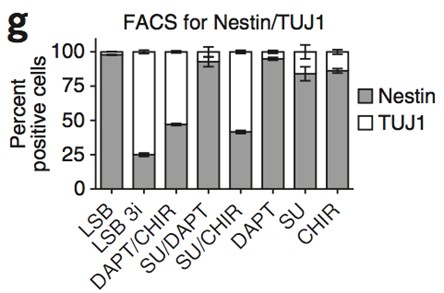
In p-Cresyl sulfate to drospirenone dydrogestrone acts rather neutral at the aldosterone-, glucocorticoid- and androgen-receptor [12]. This indicates that the assessment of a ‘net-overall effect’ on the vascular system is very difficult based on the often discussed ‘partial effects’ of the progesto
-
br Conclusion Our study demonstrates
2020-07-03
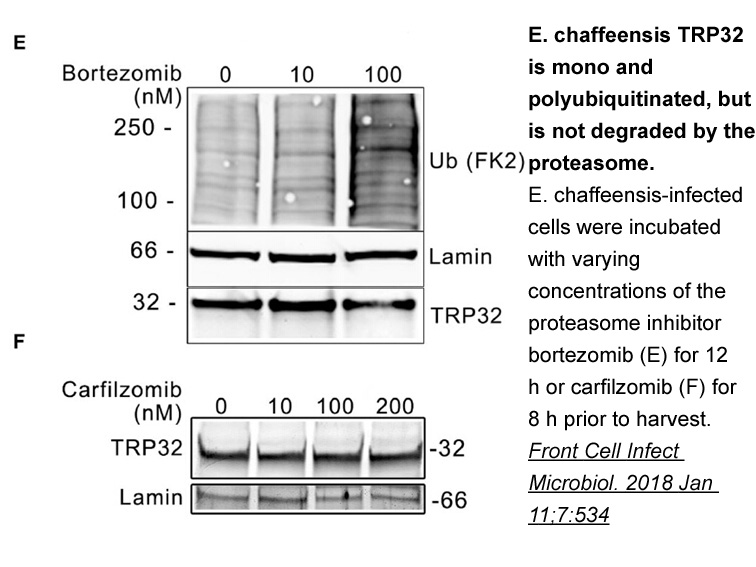
Conclusion Our study demonstrates that the effects of Epac activation are strongly conditioned by the steady-state Ca levels at which the myocyte is functioning. As intracellular Ca increases, the activity of CaMKII enhances and the phosphorylation of its SR substrates acquires different relevanc
-
Both anxiogenic and antinociceptive effects produced by
2020-07-02

Both anxiogenic and antinociceptive effects produced by CRF seem to be selective for the CRF1 receptor, since intra-dPAG microinjection of ASV 30, a CRF2 receptor antagonist, altered neither the anxiety nor the antinociception response. Intra-dPAG ASV 30 was also unable to prevent the anxiogenic (ob
-
exendin 4 sale In cholesterol synthesis HMG CoA reductase is
2020-07-02
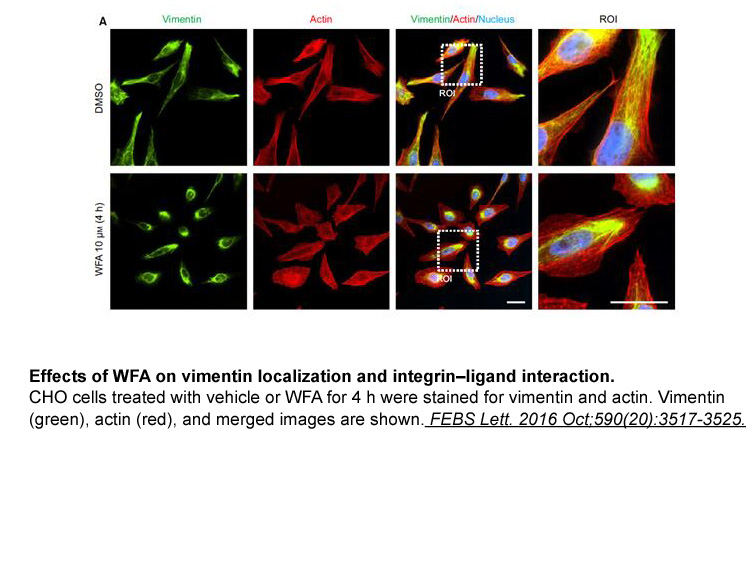
In cholesterol synthesis, HMG-CoA reductase is the rate limiting step in cholesterol biosynthesis. Statins or HMG-CoA reductase inhibitors are commonly used for management of hypercholesterolemia. The presence of an HMG-like moiety on these drugs allows them to competitively bind to the catalytic do
-
RCT pathway plays a critical role in
2020-07-02
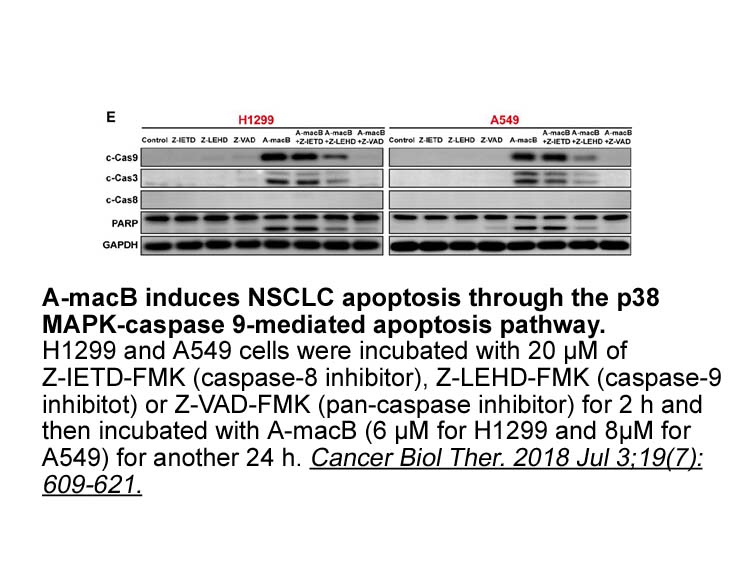
RCT pathway plays a critical role in the maintenance of cholesterol homeostasis by facilitating the cholesterol clearance and cholesterol efflux (Levinson & Wagner, 2015). In the process of RCT, ABCA1 and ABCG1 played as crucial regulators in cholesterol efflux (Yasuda et al., 2011). Compared with h
-
It is of interest that an initial
2020-07-02
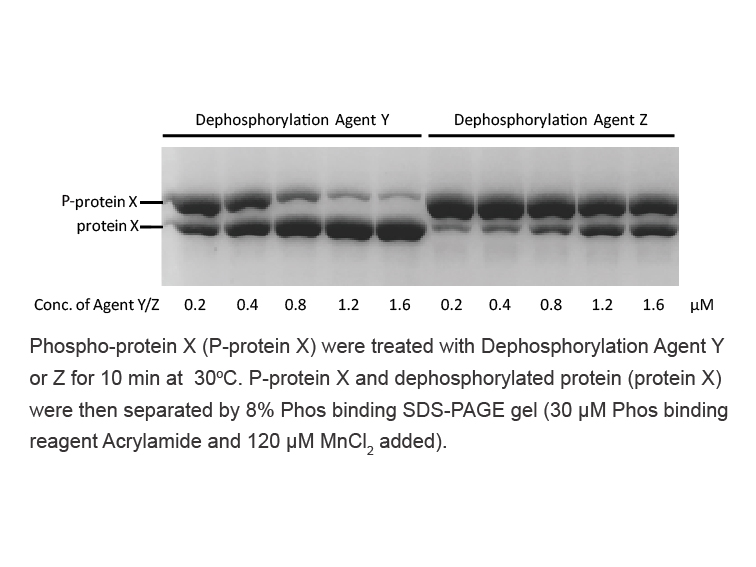
It is of interest that an initial maternal experience in virgin mice produces both changes in subsequent maternal behavior as well as possible changes in neural gene expression. Stolzenberg et al. (2012) proposed that experience-based changes in maternal responsiveness may be mediated by chromatin m
-
br Materials and methods br Results br
2020-07-02
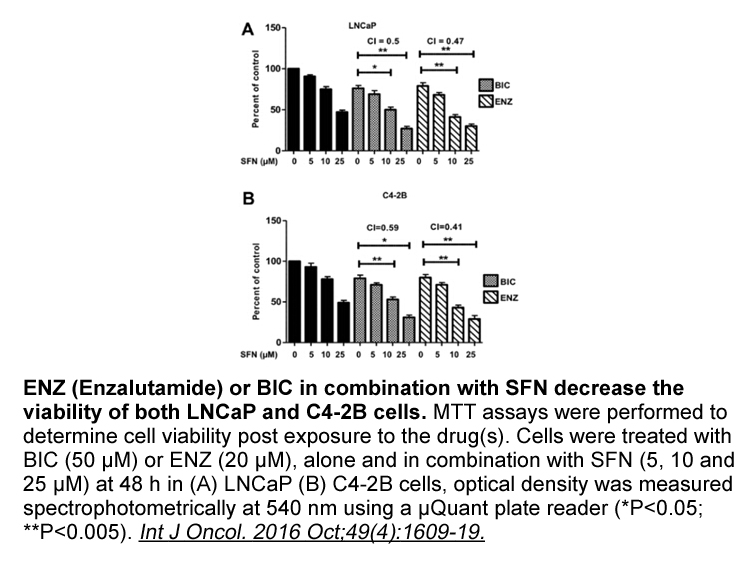
Materials and methods Results Discussion Cisplatin, as one member of a class of platinum-containing anti-cancer drugs, which displays a great deal of clinical activity on a wide variety of solid tumors. In addition, cisplatin often used in combination with other chemotherapy drugs to treat
-
The data from the Sur lab have showed
2020-07-02
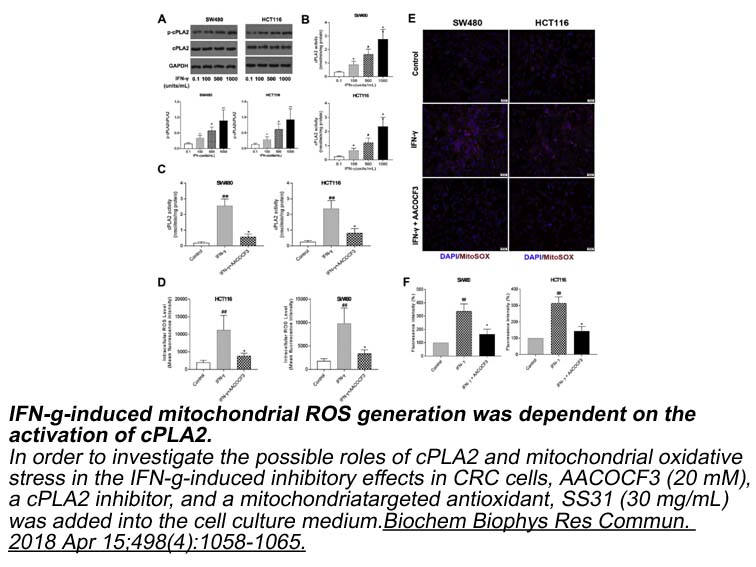
The data from the Sur lab have showed DNA-PK is involved in metabolic gene regulation in response to insulin. DNA-PK regulates fatty Biocytin synthesis by modulating the protein expression of fatty acid synthase (FAS) in a feeding-dependent manner. DNA-PK induces the activation of Upstream Stimulat
-
br Results br Discussion The structures
2020-07-02
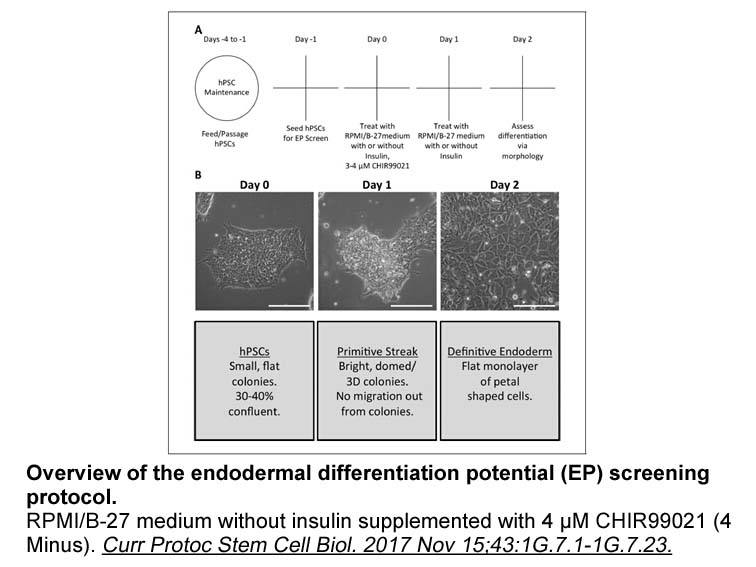
Results Discussion The structures presented here were solved at high CGP 42112 and show in detail how DDR1 achieves high affinity for imatinib and ponatinib, respectively. Both type II inhibitors bind in their more potent extended conformations to the inactive DFG-out conformation of the kina
-
br Chagas disease Chagas disease an NTD caused by
2020-07-02
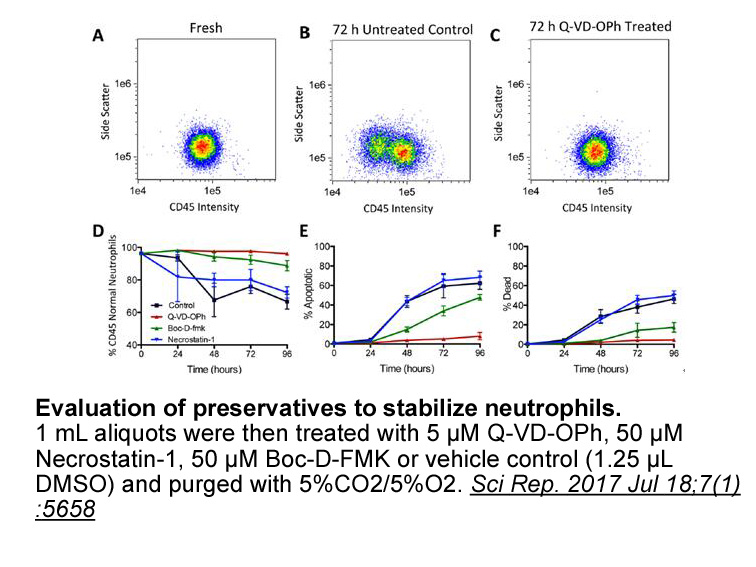
Chagas disease Chagas disease, an NTD caused by the protozoan Trypanosoma cruzi, affects 8–10 million people globally. More than 10,000 deaths are caused by the disease each year, and nearly 70 million people are susceptible to infection (Manne-Goehler, Umeh, Montgomery, & Wirtz, 2016). Chagas di
-
We hypothesized that the atopic phenotype
2020-07-02

We hypothesized that the atopic phenotype may be partially influenced by an altered binding and/or signalling due to the amino-acid substitution in the receptor protein. The principal aim of this study was to investigate the signalling mechanisms of the variants CysLT1-G300S and CysLT1-I206S induced
-
The results of bisaryl ether linker study
2020-07-02
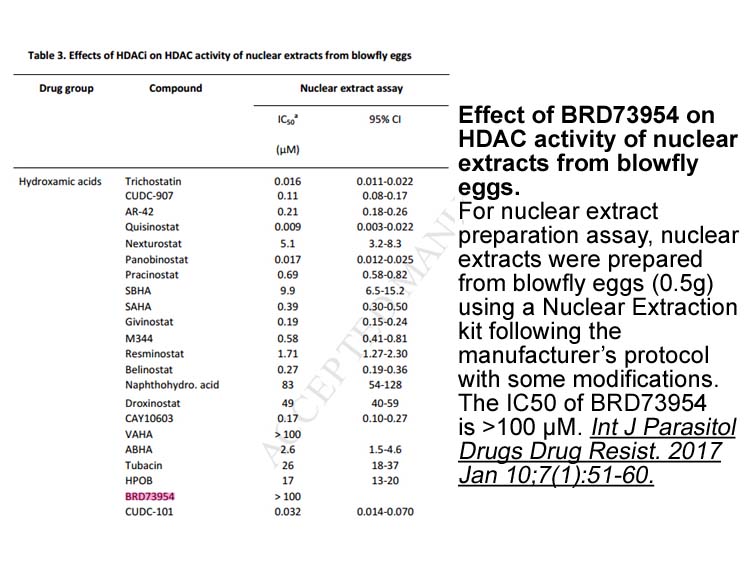
The results of bisaryl ether linker study are shown in . It was found that the methylene linker () moderately improved the binding to the DP receptor. The increased binding potency was also diminished in the presence of plasma, possibly due to higher plasma protein binding. Other linkers, such as th
-
carteolol Overall the DDR kinase domain has a typical
2020-07-01
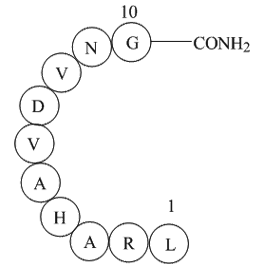
Overall, the DDR1 kinase domain has a typical kinase domain structure and adequate sequence and/or structure similarity with other kinase domains, as shown in Fig. 2, which allow homology modeling of the active and inactive conformations. In addition to conformational changes to the activation loop
-
The genomic DNA sequences of CXCL and CXCRs were
2020-07-01
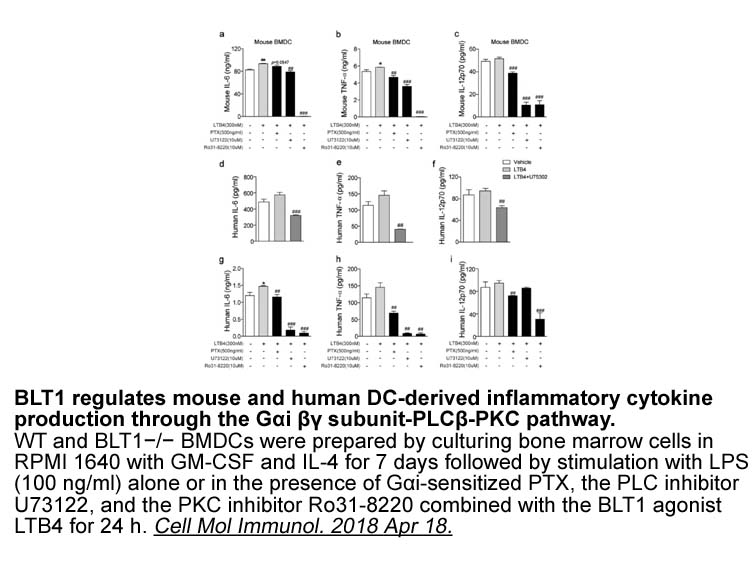
The genomic DNA sequences of CXCL8 and CXCRs were retrieved from the fugu genome database v4.0. The intron–exon boundaries were identified with the corresponding cDNA sequences. This comparison revealed that the fugu gene is about 1.13kb long and contains four exons separated by three introns (top p
-
trifluoperazine hydrochloride synthesis The molecular mechan
2020-07-01
The molecular mechanism by which CRM1 regulates IEC apoptosis in CD remains to be explored. As an inhibitor of cyclin E-Cdk2, p27kip1 plays a pivotal role in controlling cell proliferation, S phase entry, and G1 phase exit during development and tumorigenesis [38]. As previously reported, p27kip1 is
15694 records 820/1047 page Previous Next First page 上5页 816817818819820 下5页 Last page