Archives
- 2026-09
- 2026-08
- 2026-07
- 2026-06
- 2026-05
- 2026-04
- 2026-03
- 2026-02
- 2026-01
- 2025-12
- 2025-11
- 2025-10
- 2025-09
- 2025-03
- 2025-02
- 2025-01
- 2024-12
- 2024-11
- 2024-10
- 2024-09
- 2024-08
- 2024-07
- 2024-06
- 2024-05
- 2024-04
- 2024-03
- 2024-02
- 2024-01
- 2023-12
- 2023-11
- 2023-10
- 2023-09
- 2023-08
- 2023-06
- 2023-05
- 2023-04
- 2023-03
- 2023-02
- 2023-01
- 2022-12
- 2022-11
- 2022-10
- 2022-09
- 2022-08
- 2022-07
- 2022-06
- 2022-05
- 2022-04
- 2022-03
- 2022-02
- 2022-01
-
Using constant potential amperometry and electrochemical enz
2024-12-26
Using constant potential amperometry and electrochemical enzyme-based biosensors selective for choline—and, therefore, an accurate readout of Golgi fluorescence microscopy release (Baker et al., 2015; Bruno et al., 2006a; Parikh et al., 2004, 2007)—tonic and phasic release of acetylcholine were mea
-
Receptor tyrosine kinase Axl is a member of the
2024-12-26
Receptor tyrosine kinase Axl is a member of the TAM (Tyro3/Axl/Mer) family, and has reported been associated with a spectrum of human cancers [8]. Numerous studies have revealed that the oncogenic potential of Axl is attributed to the anti-apoptotic and proliferative signaling pathways triggered by
-
Further analysis sought to understand the mechanism associat
2024-12-26
Further analysis sought to understand the mechanism associated with the autotaxin-mediated increase of miR-489-3p in circulation. Based upon sequence complementarity, DIANA TarBase predicted miR-489-3p targets MAPK2K1, or MEK1, an oncogene widely dysregulated in cancer (Fig. 4A). To test this relati
-
Many reports have well documented that signaling pathways
2024-12-26

Many reports have well documented that signaling pathways play a pivotal role in controlling longevity. The most studied of these pathways is the IGF-1 pathway [11,12]. A disruption of this pathway has been found to extend longevity in different groups of species starting from Caenorhabditis elegans
-
We conducted the largest drug screen to date
2024-12-26
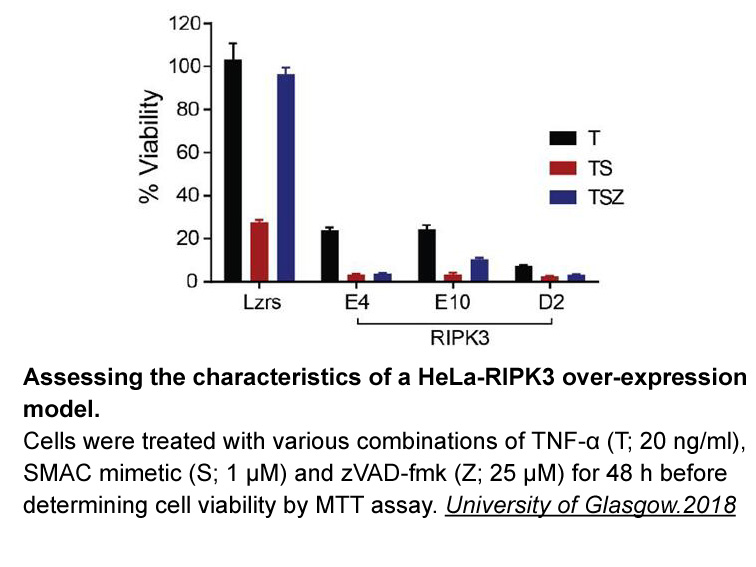
We conducted the largest drug screen to date in HPV-positive cancers and identified Aurora kinase inhibitors as effective and understudied drugs in HNSCC and CESC. These drugs cause apoptosis and cell cycle arrest in vitro and decrease tumor size in vivo. This is the first published study to demonst
-
In this study significant reduction in the HCO content
2024-12-26
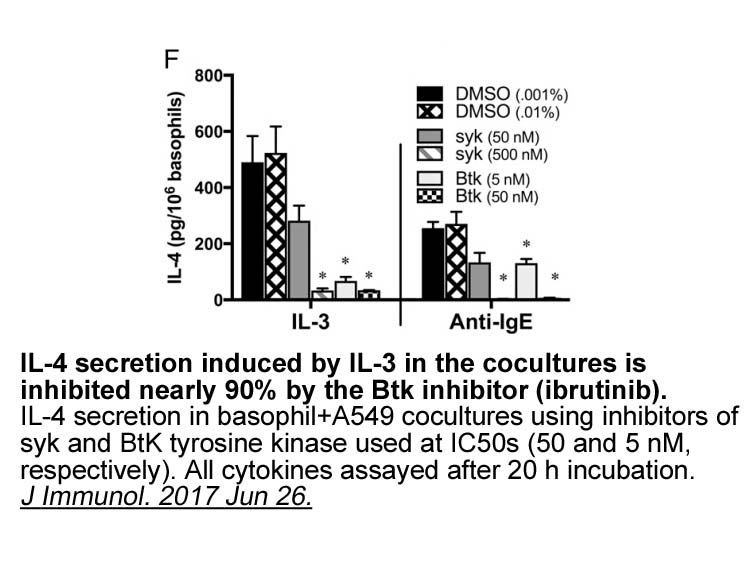
In this study, significant reduction in the HCO3− content in sham-operated and testosterone-treated rats following bafilomycin A1 administration suggested that V-ATPase could be involved in mediating the decrease in vas deferens fluid HCO3− content, most probably due to the increase in H+ secretion
-
The phylogenetic relationship demonstrates that both bovine
2024-12-26

The phylogenetic relationship demonstrates that both bovine and porcine 12/15-LO is more related to the human enzyme than the rabbit enzyme, despite the fact that the rabbit reticulocyte enzyme is a 15-lipoxygenase. The rabbit is one single species that expresses a 12/15 LO with 15-LO activity while
-
Breast carcinoma therapy We showed that activation of the AT
2024-12-26

We showed that activation of the ATM/ATR pathway leads to over-replication through suppression of CDK1 activity, consistent with previous findings that suppression of CDK1 activity is involved in the polyploidization of megakaryocyte and trophoblast cells [36], [37], [38], [39]. Suppression of CDK1
-
Although several different membrane estrogen receptors have
2024-12-26
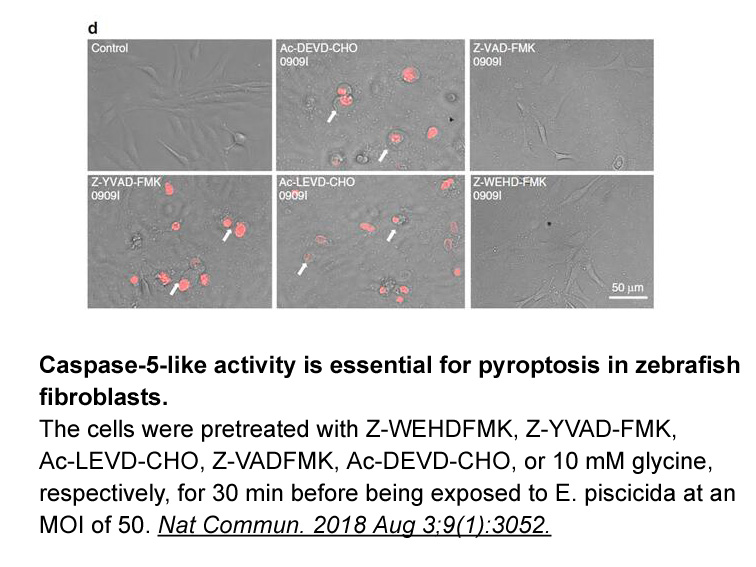
Although several different membrane estrogen receptors have been reported (Qiu et al., 2008; Revankar et al., 2005), a large percentage of membrane-initiated steroid hormone signaling appears to be performed by a subpopulation of the same receptors that act in the nucleus. Specifically, estrogen rec
-
Infections inflammation and corneal transplant can all
2024-12-26
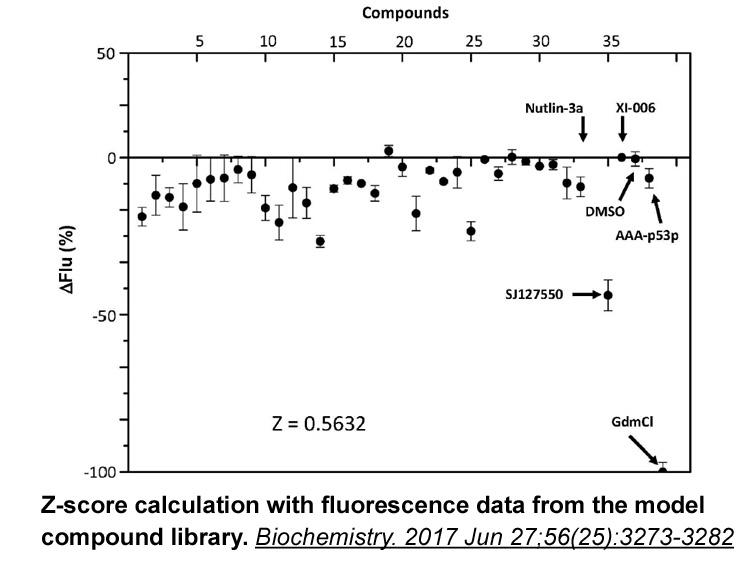
Infections, inflammation, and corneal transplant can all cause corneal neovascularization via upregulation of inflammatory cytokines, which attract myeloid Galanthamine HBr mg into the cornea. These myeloid cells establish a cycle of cytokine secretion and further myeloid cell recruitment in the cor
-
br Introduction Androgens have been shown to regulate severa
2024-12-26
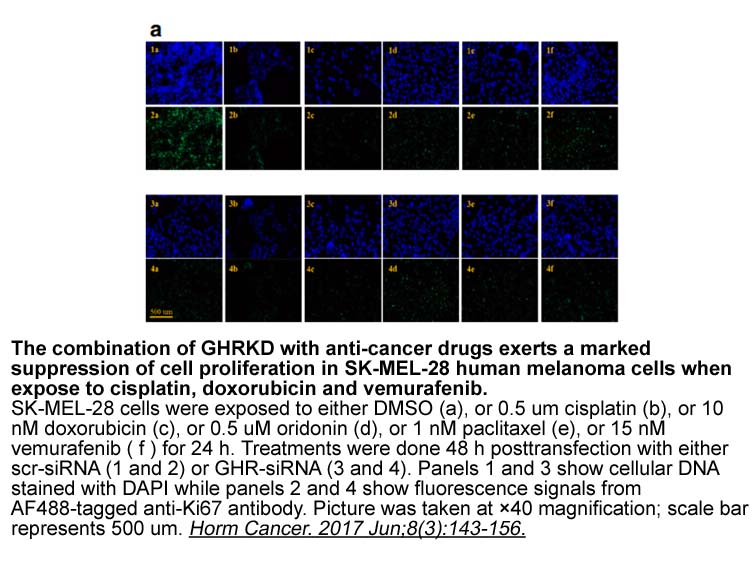
Introduction Androgens have been shown to regulate several neural functions ranging from reproduction to mood and cognitive abilities. This property starts as early as the perinatal period, which is characterized by prenatal and postnatal surges of gonadal testosterone, and continues through pube
-
We designed SSOs that block APP exon
2024-12-25
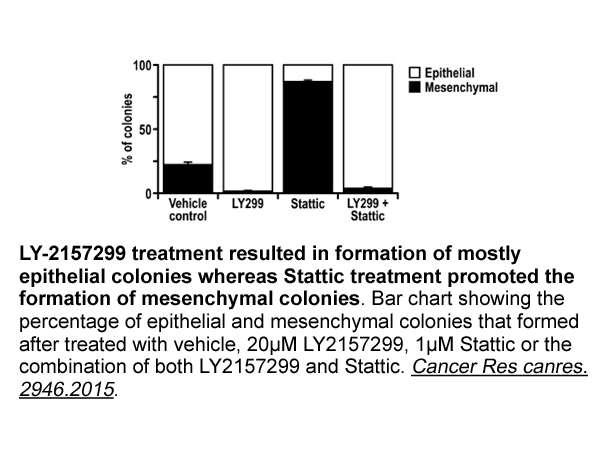
We designed SSOs that block APP exon 17 splicing and induce the production of an alternatively spliced APP mRNA lacking exon 17 (APPΔex17). APPΔex17 mRNA encodes an APP protein isoform that lacks 49 AR-C155858 including the γ-secretase cleavage sites that give rise to the toxic, AD-associated Aβ42 p
-
Interestingly we noticed that LPS exposure
2024-12-25
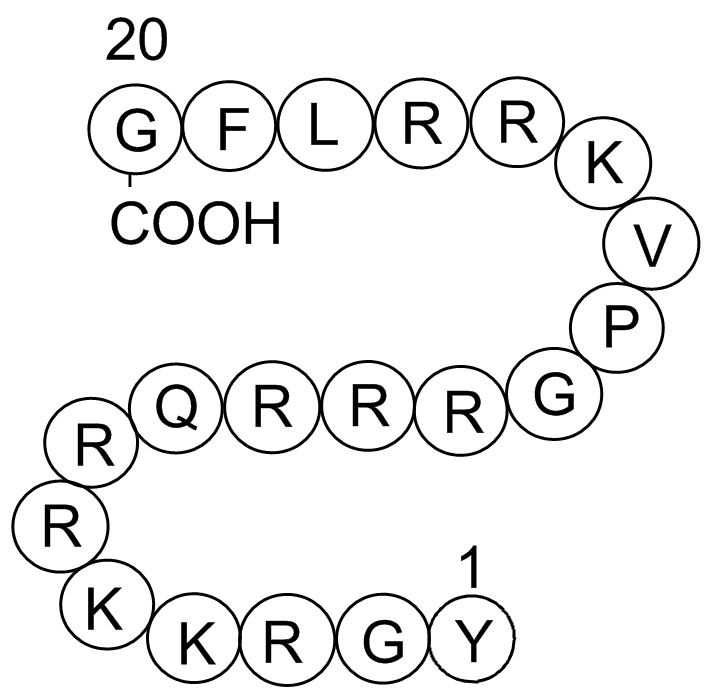
Interestingly, we noticed that LPS exposure was associated with decreased phosphorylation of AMPK and increased phosphorylation of p70S6K1, suggesting that AMPK inactivation and the subsequent mTOR activation might be involved in the development of LPS-induced inflammation. On the other side, treatm
-
In hypothalamus as indicated in Fig column
2024-12-25
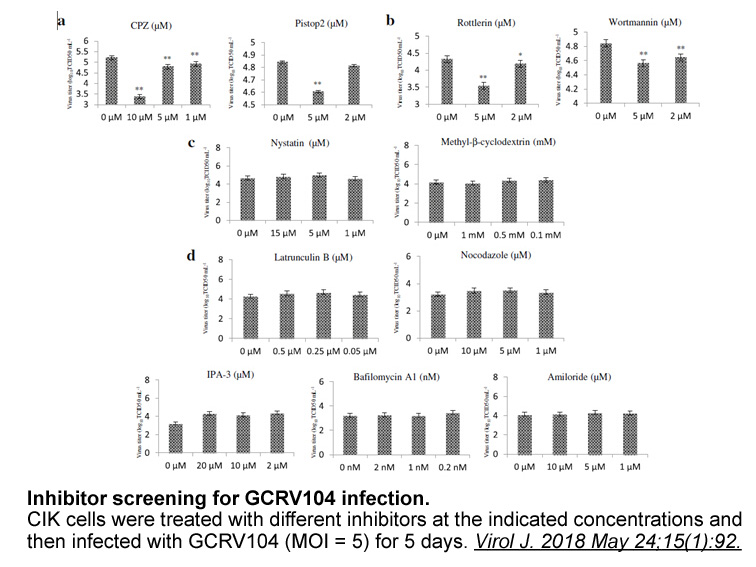
In hypothalamus, as indicated in Fig. 2 (column A) and following the enzymatic cascade represented in Fig. 1, we could hypothesize a predominance of Ang 2–10 and Ang III formation in SHR compared to WKY. This is in agreement with previous results that reported significant higher rate of Ang 2–10 for
-
In summary our data have
2024-12-25
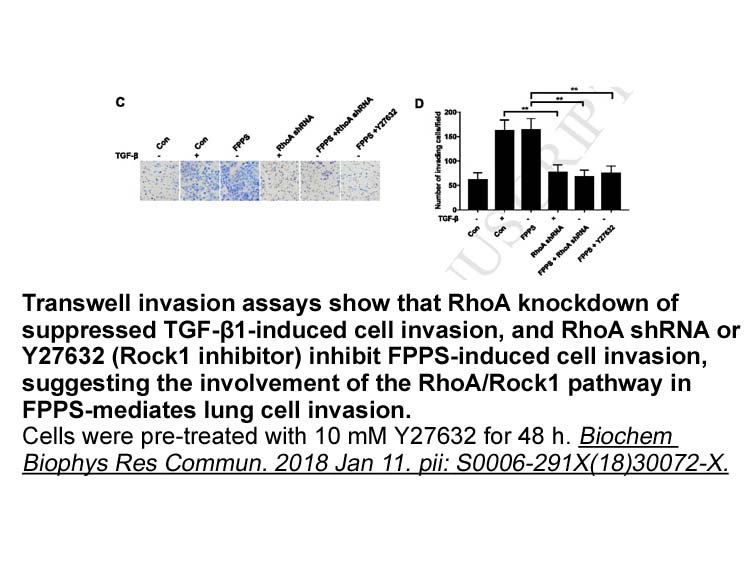
In summary, our data have shown that one mechanism by which glucose may mediate monocyte–endothelial cell interaction in the retinal endothelial cells is via the 12/15-LO pathway Furthermore, our current and previously published data [20,22] indicate a differential role of endothelial 12/15-LO versu
7897 records 62/527 page Previous Next First page 上5页 6162636465 下5页 Last page