Archives
- 2026-08
- 2026-07
- 2026-06
- 2026-05
- 2026-04
- 2026-03
- 2026-02
- 2026-01
- 2025-12
- 2025-11
- 2025-10
- 2025-09
- 2025-03
- 2025-02
- 2025-01
- 2024-12
- 2024-11
- 2024-10
- 2024-09
- 2024-08
- 2024-07
- 2024-06
- 2024-05
- 2024-04
- 2024-03
- 2024-02
- 2024-01
- 2023-12
- 2023-11
- 2023-10
- 2023-09
- 2023-08
- 2023-06
- 2023-05
- 2023-04
- 2023-03
- 2023-02
- 2023-01
- 2022-12
- 2022-11
- 2022-10
- 2022-09
- 2022-08
- 2022-07
- 2022-06
- 2022-05
- 2022-04
- 2022-03
- 2022-02
- 2022-01
- 2021-12
- 2021-11
- 2021-10
- 2021-09
- 2021-08
- 2021-07
- 2021-06
- 2021-05
- 2021-04
- 2021-03
- 2021-02
- 2021-01
- 2020-12
- 2020-11
- 2020-10
- 2020-09
- 2020-08
- 2020-07
- 2020-06
- 2020-05
- 2020-04
- 2020-03
- 2020-02
- 2020-01
- 2019-12
- 2019-11
- 2019-10
- 2019-09
- 2019-08
- 2019-07
- 2019-06
- 2019-05
- 2019-04
- 2018-07
-
Another important question for future studies will be whethe
2021-12-15
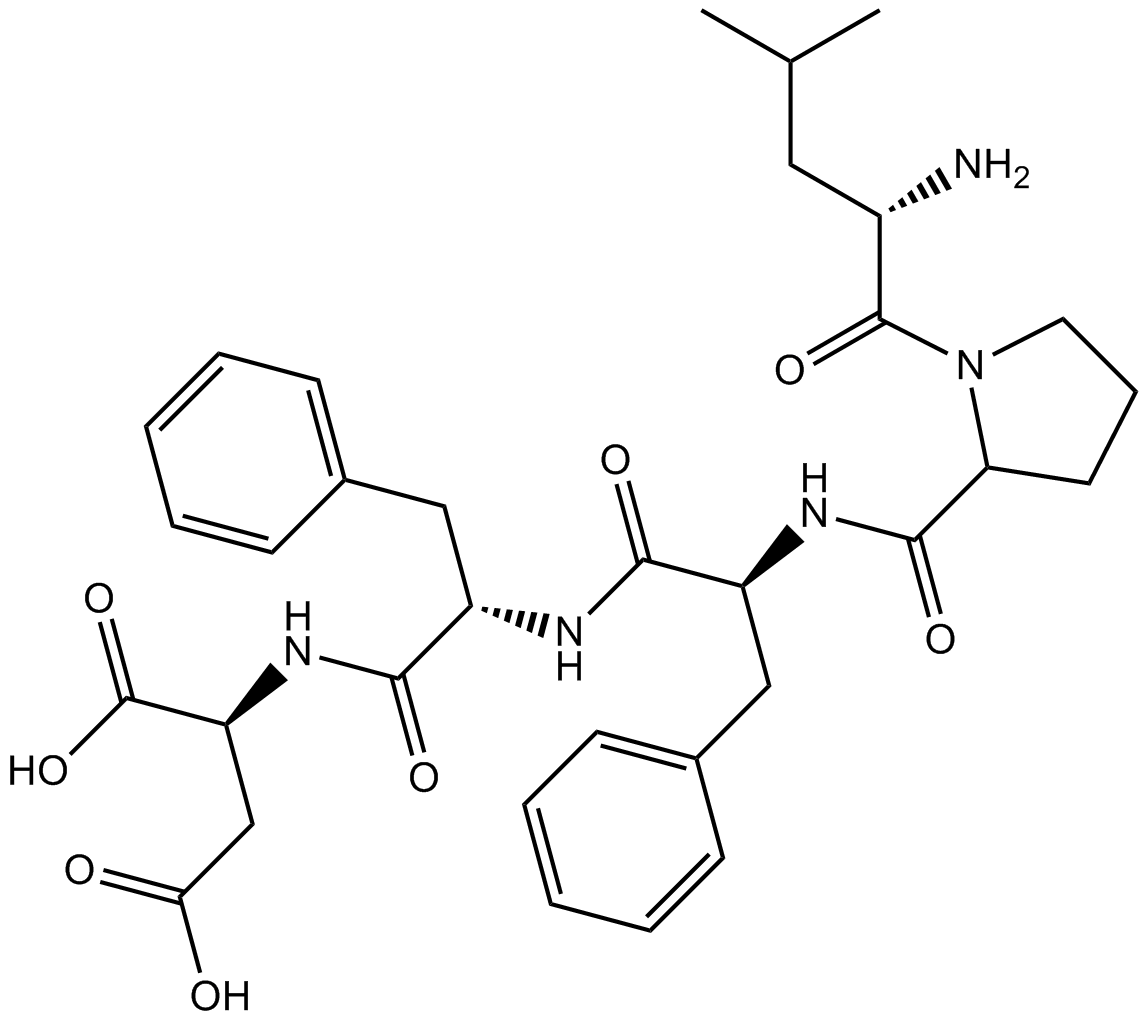
Another important question for future studies will be whether FAAH inhibitors work to normalize impairments in fear extinction that are known to be produced by environmental insults such as exposure to abused drugs and stress 97, 103. Indeed, several authors have posited utility of FAAH inhibitors f
-
At the molecular level AZ scaffold proteins
2021-12-15

At the molecular level AZ scaffold proteins including piccolo and bassoon have been shown to directly or indirectly associate with endocytic and actin-binding proteins such as ABP1 (Fenster et al., 2003), profilin, and GIT (Podufall et al., 2014) (Fig. 2B). ABP1 and profilin, via regulating F-actin,
-
br Soluble guanylyl cyclase nitric oxide
2021-12-15
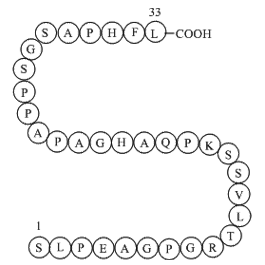
Soluble guanylyl cyclase, nitric oxide and nitric oxide synthase The primary and best-studied endogenous activator of soluble guanylyl cyclase (sGC) is nitric oxide (NO), which was originally describe as endothelium-derived relaxing factor for its potent ability to relax blood vessels in response
-
The study of TcMYH protein is a
2021-12-15
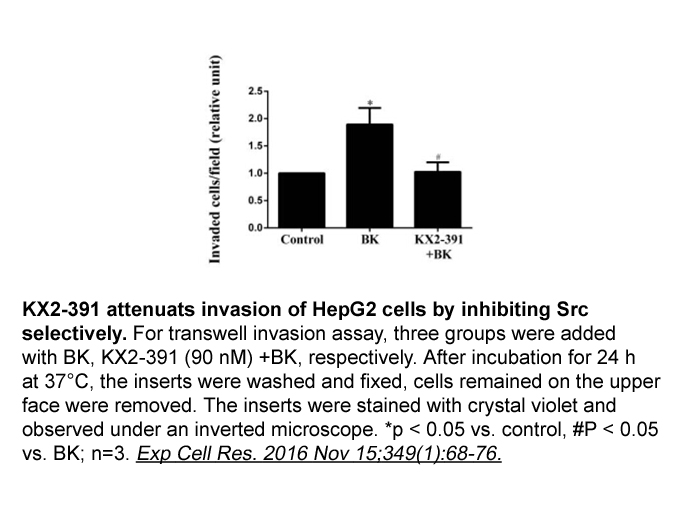
The study of TcMYH protein is a step forward for the characterization of a GO system in T. cruzi. The complete system appears to be present and our findings demonstrate that is important to maintain DNA stability of the nuclear and mitochondrial genomes, particularly in the presence of oxidative str
-
To identify inhibitors of the Hh GLI signaling pathway
2021-12-15
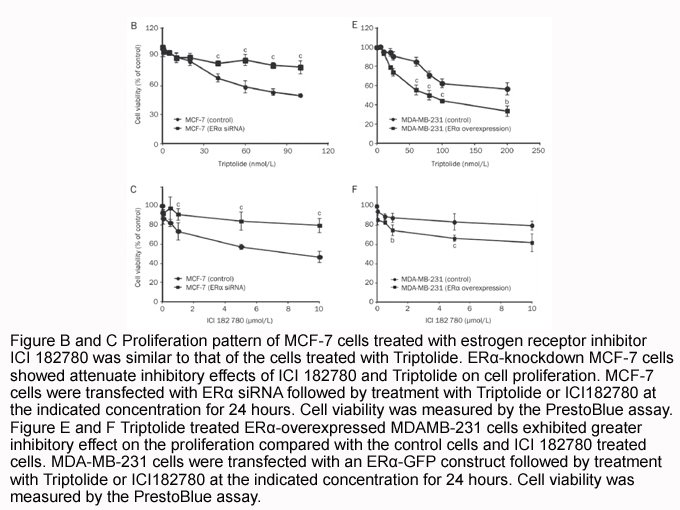
To identify inhibitors of the Hh/GLI signaling pathway from natural resources, we have recently reported the successful construction of a cell-based screening assay system for the Hh/GLI signaling pathway (Fig. 1). This is an assay using a GLI-dependent luciferase reporter in human keratinocyte cel
-
VKGILS-NH2 Following an endoproteolytic cleavage of
2021-12-15
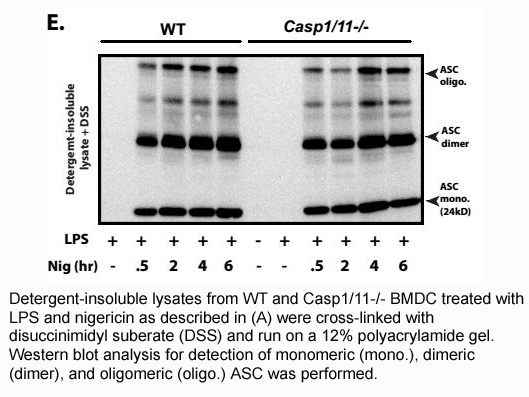
Following an endoproteolytic cleavage of C99, γ-secretase trims the remaining fragment Aβ49 or Aβ48 in successive, mostly three-residue steps. Aβ49 typically gives rise to Aβ46, Aβ43, and Aβ40; whereas Aβ48 usually yields Aβ45 and Aβ42 [59]. The physical basis for this characteristic cleavage patter
-
The significance of A and tau as therapeutic targets is
2021-12-15
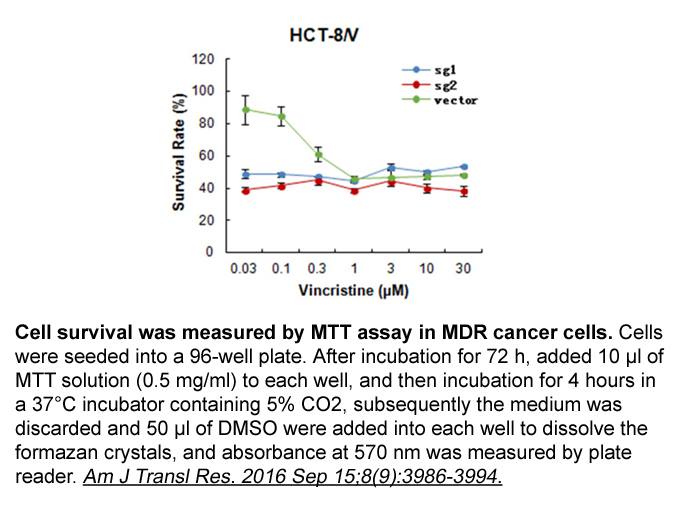
The significance of Aβ and tau as therapeutic targets is not only derived from pathological evidence of postmortem brain but also from biochemical analysis of cultured human neurons. This is largely based on the induced pluripotent stem cell (iPSC) technology that has been established to study Aβ, t
-
Splitomicin To improve the performance of the immunoassay va
2021-12-15
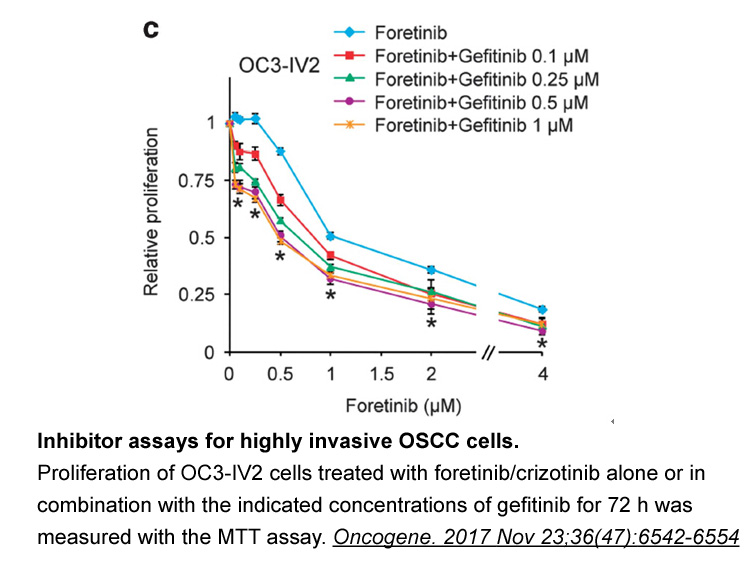
To improve the performance of the immunoassay, various nanomaterials including carbon nanospheres [9], gold nanoparticles [10] and transition metal compounds [11] were used to immobilize natural enzymes as the label. Natural enzymes, such as horseradish peroxidase (HRP) [12] and glucose oxidase (GOD
-
A mutation in stearoyl coenzyme
2021-12-15
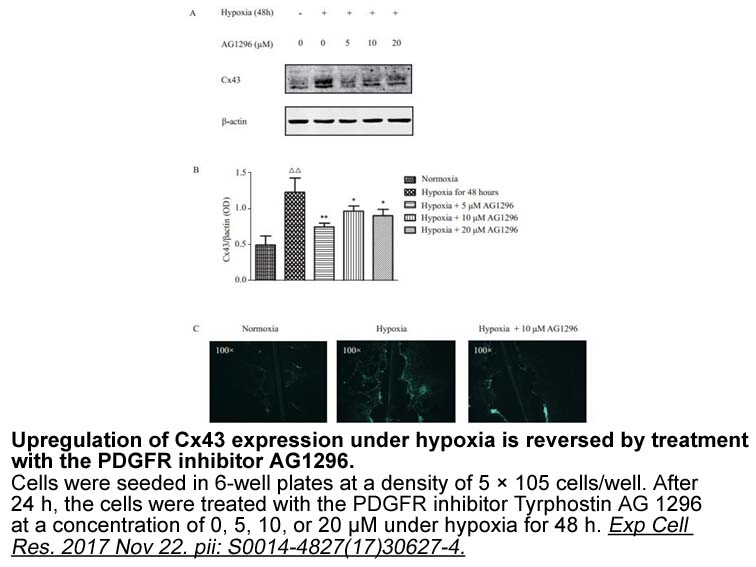
A mutation in stearoyl coenzyme A desaturase 1 gene was reported to reduce sebum production and monounsaturated fatty acids (MUFA) synthesis in mice, which was accompanied with impaired clearance of gram-positive bacteria-induced skin infection (Georgel et al., 2005). Interestingly, gram-positive ba
-
The EZH overexpression group exhibited upregulated CEP expre
2021-12-14
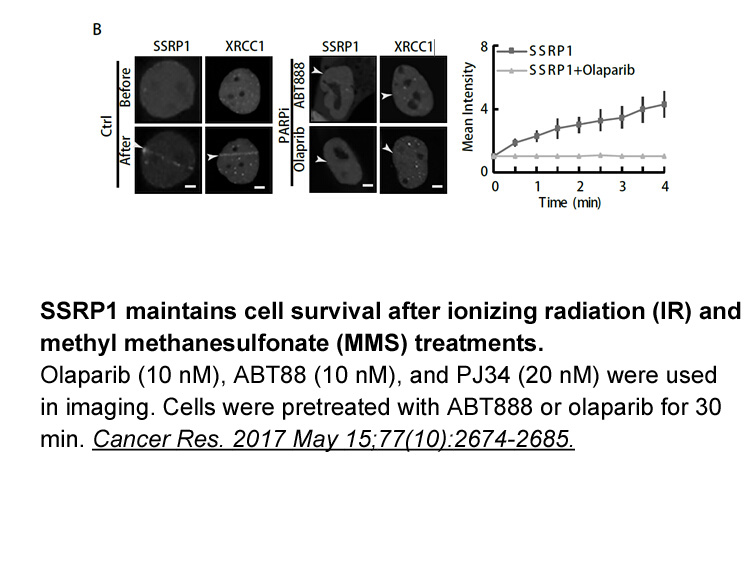
The EZH2 overexpression group exhibited upregulated CEP55 expression but downregulated methylation, suggesting that changes in EZH2 expression in lung adenocarcinoma result in differences of CEP55 methylation and expression. Moreover, according to TCGA database and GSE27262 chip data, CEP55 expressi
-
Genome wide binding and transcriptome analyses demonstrate
2021-12-14
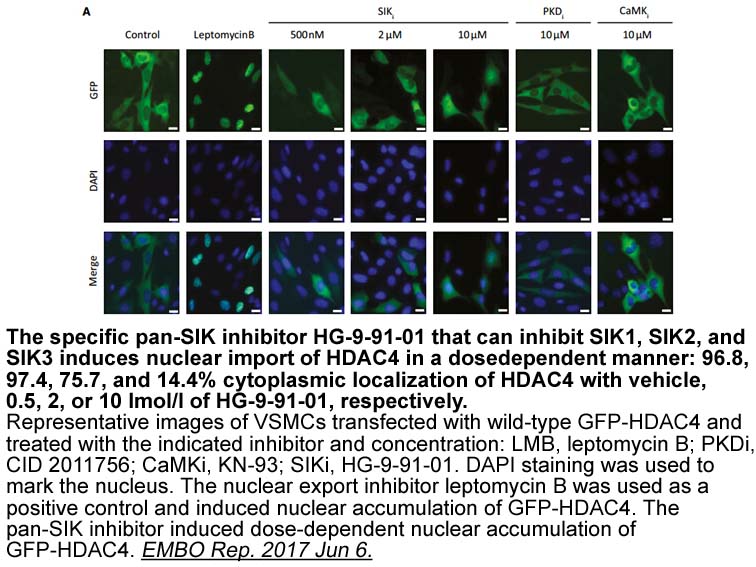
Genome-wide binding and transcriptome analyses demonstrate that Fbxl10 directly binds the Areg, Mdk, Lmnb1, Thbs1, Mgp and Cxcl12 locus and thereby might influences the expression of these migration associated genes. The expression of epidermal growth factor (EGF)-like molecule Amphiregulin (Areg)
-
Newly identified evidence has put immune checkpoint
2021-12-14
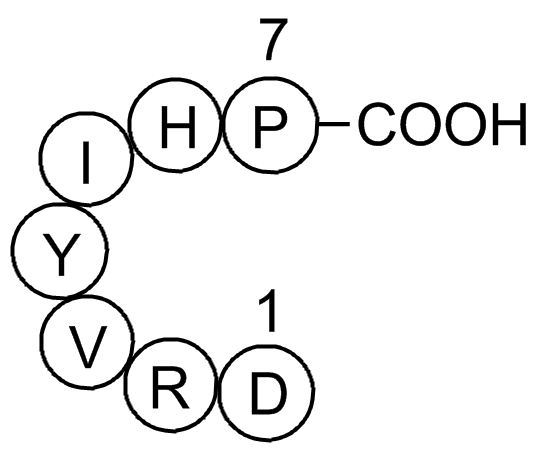
Newly identified evidence has put immune checkpoint inhibitors into the spotlight. However, even though they have been reported to achieve optimistic outcomes [67], there is still a provocative question about their limitations [68]. The solid evidence above has provided us with translational values
-
br Materials and methods br Results br Discussions The treat
2021-12-14
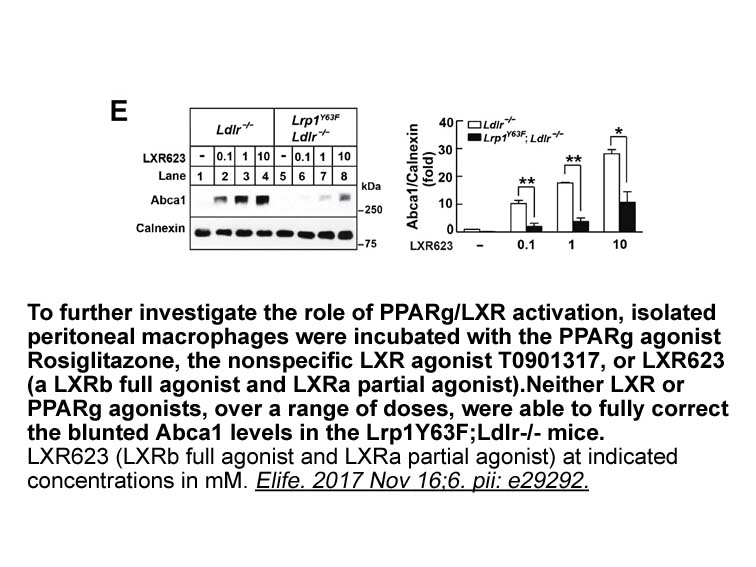
Materials and methods Results Discussions The treated tannery effluent (both MF and MF+RO treated) was free from most of the organic and inorganic loadings as reflected from the values of COD, BOD, total kjeldahl nitrogen (TKN) and sulfides etc. Toxicity study of the effluent (both treated
-
GPR GPR GPR GPR and GPR all shared identities to
2021-12-14
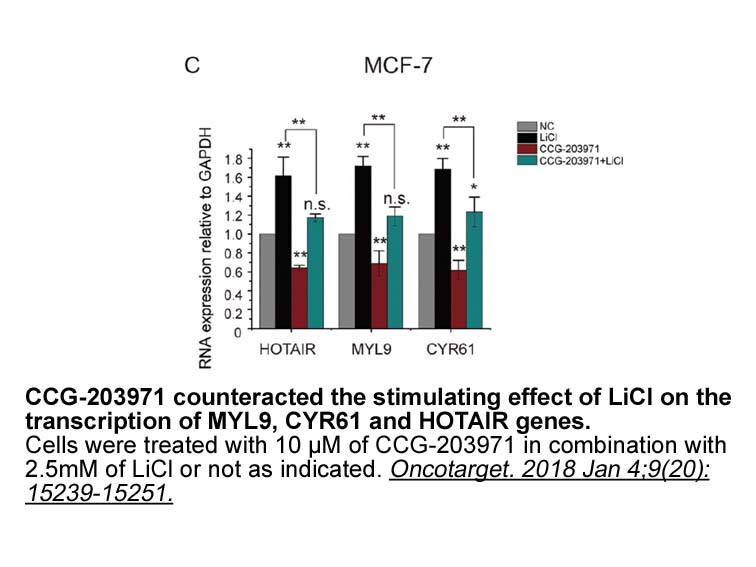
GPR80, GPR81, GPR82, GPR93 and ψGPR79 all shared identities to P2Y GPCRs or P2Y-like oGPCRs. Previously, at least three different nucleotide receptor phenotypes have been observed in mammalian tissue, including GPCRs activated by Angiotensin 1/2 (1-9) mg nucleotides (e.g. P2Y1 and P2Y11), uridine n
-
(-)-Huperzine A br Materials and methods br Results
2021-12-14
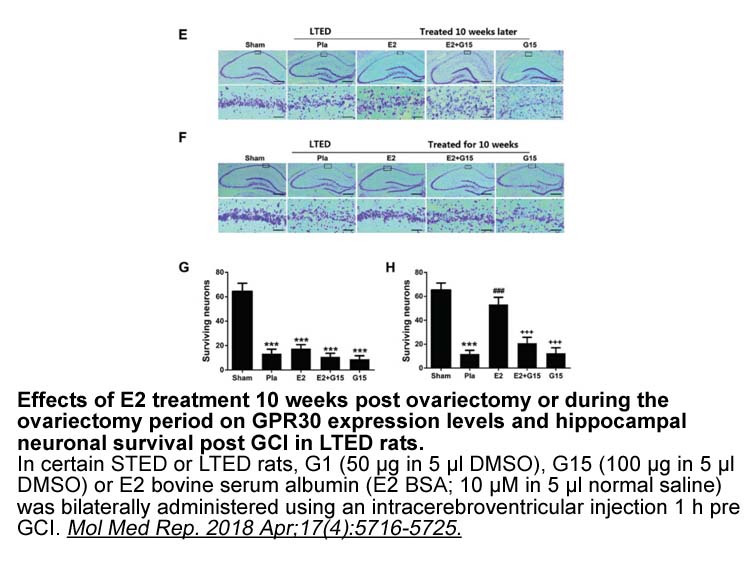
Materials and methods Results Discussion ENU mutagenesis is a powerful approach to identify novel genes or (-)-Huperzine A to dissect the molecular basis of mammalian immune system (Siggs, 2014). T cells are critical components in the host defense against pathogens, and their activity has
15677 records 533/1046 page Previous Next First page 上5页 531532533534535 下5页 Last page