Archives
- 2026-09
- 2026-08
- 2026-07
- 2026-06
- 2026-05
- 2026-04
- 2026-03
- 2026-02
- 2026-01
- 2025-12
- 2025-11
- 2025-10
- 2025-09
- 2025-03
- 2025-02
- 2025-01
- 2024-12
- 2024-11
- 2024-10
- 2024-09
- 2024-08
- 2024-07
- 2024-06
- 2024-05
- 2024-04
- 2024-03
- 2024-02
- 2024-01
- 2023-12
- 2023-11
- 2023-10
- 2023-09
- 2023-08
- 2023-06
- 2023-05
- 2023-04
- 2023-03
- 2023-02
- 2023-01
- 2022-12
- 2022-11
- 2022-10
- 2022-09
- 2022-08
- 2022-07
- 2022-06
- 2022-05
- 2022-04
- 2022-03
- 2022-02
- 2022-01
-
br Materials and methods br Results br Discussion Here we
2022-05-19

Materials and methods Results Discussion Here, we investigated the inhibitory effects and associated mechanisms of phloroglucinol on α-glucosidase. Our results showed that phloroglucinol reversibly inhibited α-glucosidase in a dose-dependent manner (Fig. 1), with the double-reciprocal plot
-
CP 154526 In a series of experiments the clotrimazole
2022-05-19
In a series of experiments, the clotrimazole concentration was varied and the NSVDC channel conductances were calculated from Eq. (1) to obtain the dose-response relation (Fig. 3). The data were fitted to the Michaelis–Menten-type activation curve (Eq. (3)) and gave an EC50 value of 14 μM and a dose
-
Gap junction channels exhibit different types
2022-05-19

Gap junction channels exhibit different types of gating properties. One alternative mechanism that should be mentioned is loop gating in which the extracellular loop of connexin assumes a configuration to form a narrow pathway for closure of unopposed hemichannels [53] and docked junction channels [
-
br Fipronil resistance associated with A S and
2022-05-19
Fipronil resistance associated with A2′S and A2′G mutations Fipronil is a second-generation NCA (Fig. 1), and A2′S and A2′G mutations provide a low level of cross-resistance to fipronil (Cole et al., 1995, Gao et al., 2007). As shown in Table 1, the A2′S AZD2858 confers high resistance to dieldr
-
br Experimental Procedures Information on the materials used
2022-05-19

Experimental Procedures Information on the materials used in this study and the details of how the in vivo and in vitro assays were performed are provided in Supplemental Information. Acknowledgments This research was supported by the National Research Foundation of Korea (NRF) grant funded b
-
Recently accumulated evidence has revealed a close
2022-05-19
Recently, accumulated evidence has revealed a close link of FXR to gluconeogenesis. For example, activation of FXR by its agonist GW4064 improved hyperglycemia in db/db mice by repressing gluconeogenesis [15], and FXR agonist CDCA decreased transactivation activity of key gluconeogenic genes by indu
-
Compound and several additional FPR
2022-05-19
Compound 10 and several additional FPR1 antagonists identified here specifically blocked fMLF-induced responses mediated via FPR1 in FPR1-HL60 Torin 2 and human neutrophils, but not responses mediated via FPR2 or FPR3 (in human neutrophils and transfected HL60 cells) or Fpr1 (murine neutrophils and
-
86 5 australia Because FPR is expressed in
2022-05-19
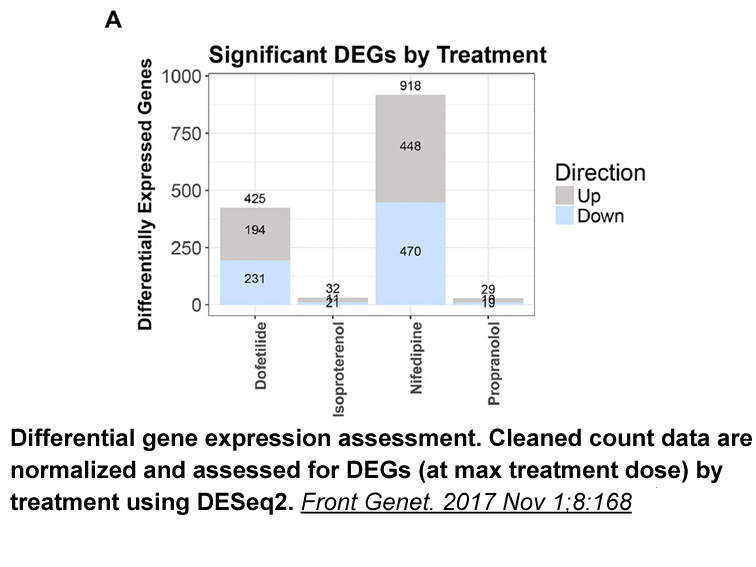
Because FPR-1 is expressed in VSMCs and its role in non-hematopoietic cells is still unclear, we questioned whether FPR-1 would have physiological relevance for vascular behavior, in the same way as it does in neutrophils (Ca2+ homeostasis and 86 5 australia polymerization). First, we tested if FPR-
-
The multiple regression analysis showed
2022-05-19
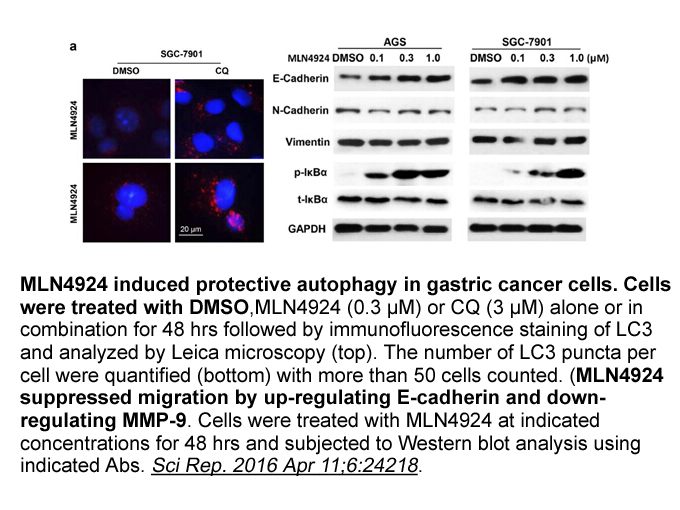
The multiple regression analysis showed that testing during summer and autumn was associated with higher histamine reactivity, which could be associated with the presence of pollen in the air. Gamboa et al. reported that more histamine was released during spring and autumn than during the other two
-
Ritonavir CD CD belong to the costimulatory adhesion molecul
2022-05-19
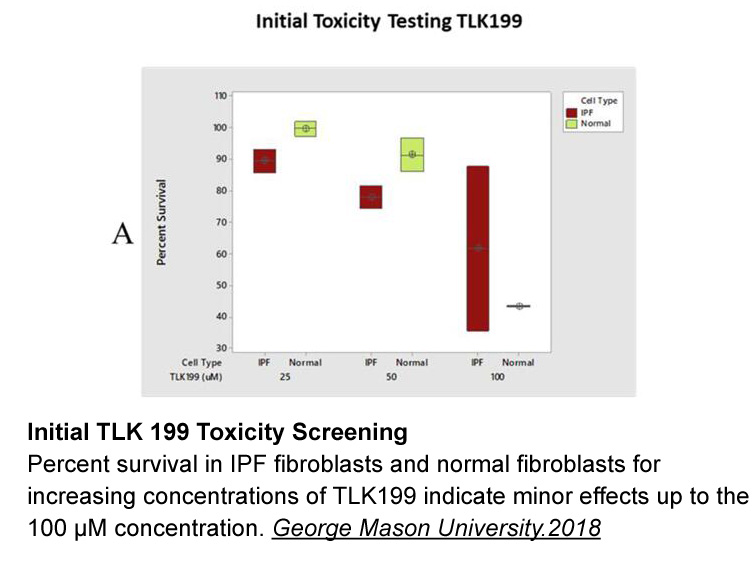
CD80/CD86 belong to the costimulatory adhesion molecule family, which can activate T Ritonavir by the costimulatory pathway and have been used as indicators of DC maturation in numerous studies. In addition, MHC-II, as the principal component of antigen presentation, was significantly elevated afte
-
Type IIIa b the ligand dependent oncogenic Hh pathway
2022-05-19
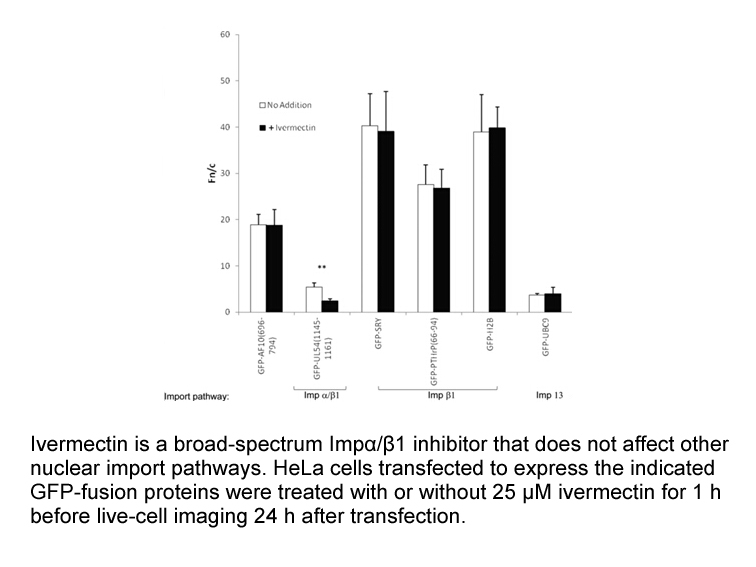
Type IIIa/b – the ligand dependent oncogenic Hh pathway (paracrine or reverse paracrine mode) is mediated by paracrine activation and is usually encountered in embryonic development, but also in installation and progression of cancer [58]. Specifically, Hh ligands secreted by malignant VX765 activa
-
Under most circumstances NO is a potent
2022-05-18

Under most circumstances, NO is a potent endogenous vasodilator. Therefore, its involvement in an endothelium-dependent contraction seems paradoxical, to say the least. Soluble guanylyl cyclase (sGC) is the major downstream target of NO; its inhibition results in the lack of vasoconstrictor response
-
Prolonged sGC oxidative inhibition occurs in
2022-05-18
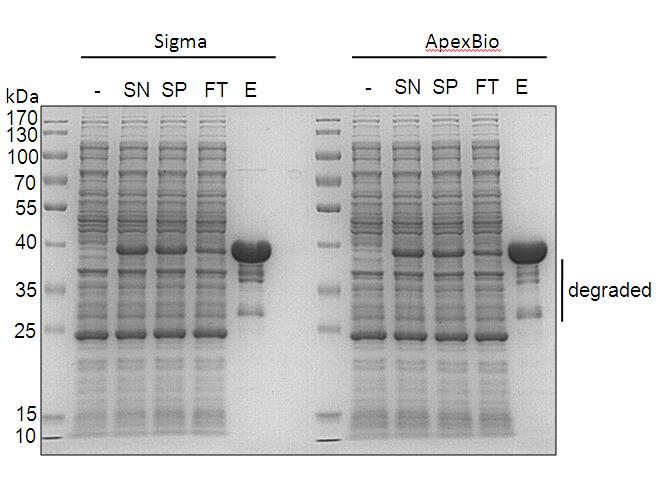
Prolonged sGC oxidative inhibition occurs in many diseases [46,[86], [87], [88]]. Keeping sGC membrane-bound and functional under conditions of high oxidative stress requires a mechanism for restoring oxidized sGC (Fe3+) heme iron to its reduced (Fe2+) state. Without this redox regulation, the sGC e
-
br STAR Methods br Acknowledgments Anthony Koleske is thanke
2022-05-18
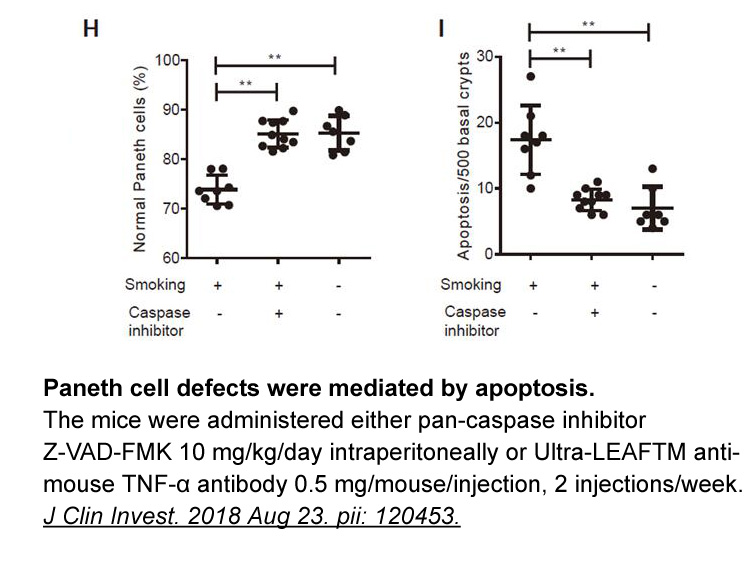
STAR★Methods Acknowledgments Anthony Koleske is thanked for helpful discussions and for providing p190RhoGAP-A cDNA. Anatoly Kiyatkin and Mark Lemmon are thanked for use of the BioTek Synergy 2 plate reader for the MANT assays. Leena Kuruvilla is thanked for assistance with the thermal shift a
-
br Material and methods br
2022-05-18
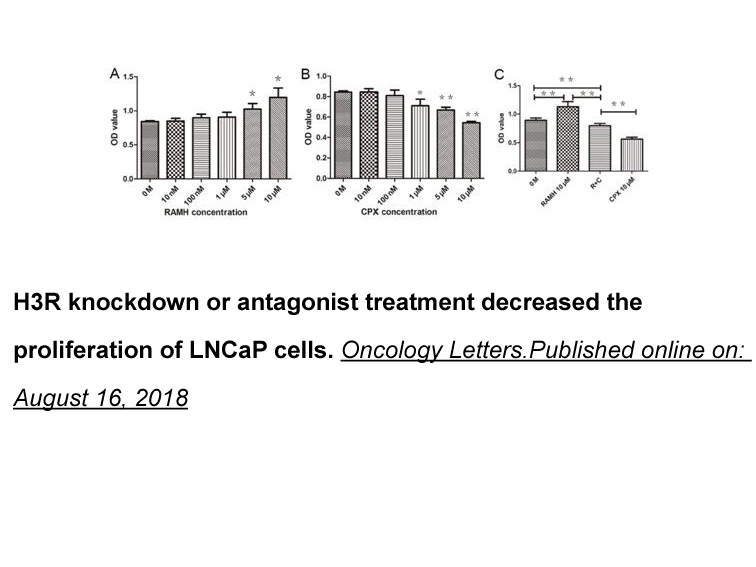
Material and methods Results The search for proteins selectively expressed in pancreatic islet GYKI 52466 dihydrochloride in the Human Protein Atlas (HPA) yielded 27 hits, including well-known islet cell markers such as insulin, glucagon and pancreatic polypeptide (Table 1). The search algori
7907 records 455/528 page Previous Next First page 上5页 451452453454455 下5页 Last page