Archives
- 2026-09
- 2026-08
- 2026-07
- 2026-06
- 2026-05
- 2026-04
- 2026-03
- 2026-02
- 2026-01
- 2025-12
- 2025-11
- 2025-10
- 2025-09
- 2025-03
- 2025-02
- 2025-01
- 2024-12
- 2024-11
- 2024-10
- 2024-09
- 2024-08
- 2024-07
- 2024-06
- 2024-05
- 2024-04
- 2024-03
- 2024-02
- 2024-01
- 2023-12
- 2023-11
- 2023-10
- 2023-09
- 2023-08
- 2023-06
- 2023-05
- 2023-04
- 2023-03
- 2023-02
- 2023-01
- 2022-12
- 2022-11
- 2022-10
- 2022-09
- 2022-08
- 2022-07
- 2022-06
- 2022-05
- 2022-04
- 2022-03
- 2022-02
- 2022-01
-
Recently the novel fatty acid receptor GPR also
2022-09-01
Recently, the novel fatty Thienoguanosine receptor, GPR120 (also called FFAR4), has been shown to be implicated in diverse physiological homeostasis, such as insulin sensitization, anti-inflammation and regulation of appetite (Hirasawa et al., 2005, Oh et al., 2010). Notably, it is abundantly expre
-
br Niacin has long been
2022-09-01
Niacin () () has long been used for the treatment of lipid disorders and for the prevention of cardiovascular disease, the leading cause of death in the U.S., as a result of its ability to raise high-density lipoprotein (HDL) levels. Recent mechanistic investigations have shown that niacin may exe
-
br Discussion Naloxone and CTAP
2022-09-01
Discussion Naloxone and CTAP were able to alter the febrile response induced by gp120. This effect was particularly evident during the initial hours following gp120 administration (90–210min). We also investigated the potential role of the delta-2 opioid receptor in gp120-induced fever. The delta
-
Dendritic damage and loss of synaptic connections correlate
2022-09-01
Dendritic damage and loss of synaptic connections correlate with cognitive decline in HAND patients. Synapse loss induced by HIV proteins occurs early and via a different signaling pathway from that leading to neuronal death (Kim et al., 2008), suggesting that synapse loss might be a mechanism to re
-
Recent data from an investigation conducted with
2022-09-01
Recent data from an investigation conducted with beta-cell cultures and animals suggest that FFAR1 gene pi3k inhibitors is modulated by stimulation of peroxisome proliferator-activated receptor gamma (PPARG) [10]. Intriguingly, in 2001 we had demonstrated effects of the PPARG Pro12Ala single nucleot
-
br Materials and methods br
2022-09-01
Materials and methods Results Discussion The glucose transporter GLUT1 can be acutely activated or inhibited in L929 fibroblast TRAM-34 by a wide variety of reagents or nutrient conditions [[9], [10], [11], [12],36,50]. This abrupt change in the activity of GLUT1 occurs within minutes and
-
Cortisol targets many organs and tissues and
2022-09-01
Cortisol targets many organs and tissues and has certain effects on metabolism, including promoting glycolysis. It can cross the blood Ursodiol barrier and act centrally to regulate HPA axis activity by activating negative feedback mechanisms effectively, cortisol inhibits its own production (Fairc
-
Human Glucocorticoid Receptor hGR was
2022-09-01
Human Glucocorticoid Receptor (hGR) was first cloned in 1985 (Hollenburg et al., 1985). It is a modular protein comprised of an N-terminal trans-activating domain (NTD), a C-terminal ligand-binding domain (LBD) and a central DNA- binding domain (DBD). The DBD is highly conserved and has two zinc fin
-
This study compared PMS ascorbate
2022-09-01
This study compared PMS+ascorbate and t-BHP in terms of their effects on the volume-dependent parameters of normal human RBCs. Incubation with both oxidative systems resulted in the RBC density and osmotic resistance distribution shifts. Clotrimazole or Са2+ added into the medium, as well as high e
-
The active site of PS is located at the interior
2022-09-01
The active site of PS1 is located at the interior of its TM horseshoe-like fold (29) (Fig. 1). TM2 and TM6 serve as “doors” for substrate entry (30), as also observed in recent molecular dynamics (MD) simulations of the PS1 subunit (31). Recent coarse-grained (CG) and atomic simulations also showed
-
br FXR FGF in the control of
2022-09-01
FXR–FGF15/19 in the control of BAs synthesis The nuclear receptor FXR is the master regulator of BAs homeostasis, modulating their synthesis, Dioscin and uptake [15]. FXR decreases BA de novo hepatic biosynthesis by reducing the expression of CYP7A1. At the canalicular membrane, newly-synthesize
-
At this point it needs however to be
2022-09-01
At this point it needs, however, to be mentioned that most in vivo studies regarding the herein discussed nuclear receptors were performed in rodents, especially in mice. Due to the significant differences in metabolism in mice and humans, not all results are translatable between these species and h
-
In addition to the four classical FGFRs there is an
2022-09-01
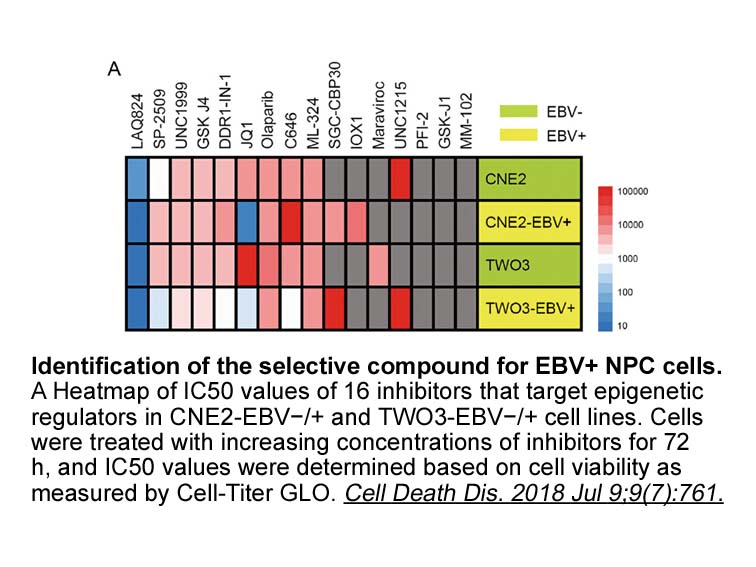
In addition to the four classical FGFRs there is an additional receptor, FGFR like-1 (FGFRL1, also known as FGFR5) (Ornitz and Itoh, 2015, Trueb et al., 2003). FGFRL1 gene was discovered in a cartilage specific cDNA library in 2000 (Trueb, 2011, Trueb et al., 2003) and thereafter it has been found i
-
PK profiles of were evaluated
2022-09-01
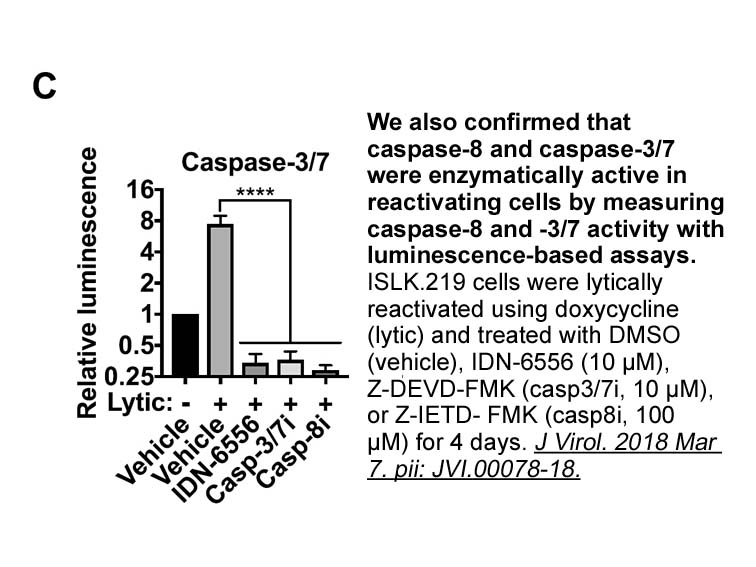
PK profiles of were evaluated and found to be improved compared to compound presumably due to interruption of β-oxidation. Low clearance and high plasma exposure were considered to be suitable profiles as an oral agent (). We first examined in vitro insulinotropic effects of compound from MIN6 c
-
Herein we describe the design and optimization of
2022-09-01
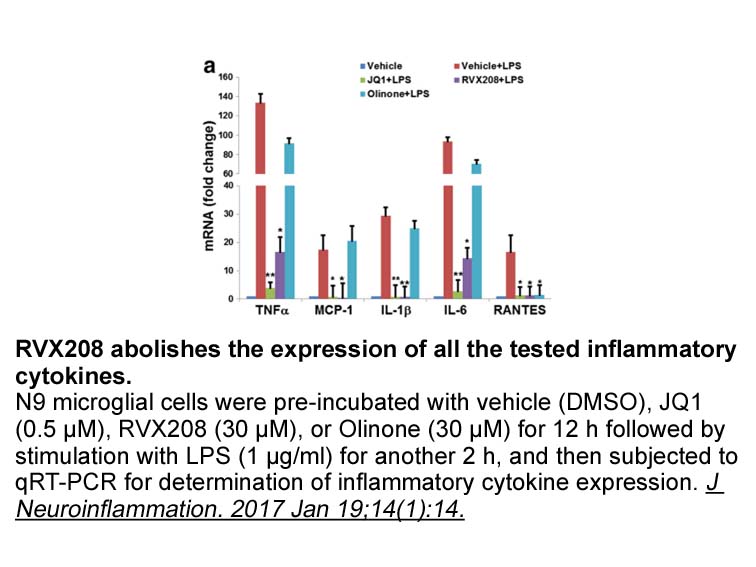
Herein, we describe the design and optimization of fused-ring phenyl propanoic acids as novel GPR40 agonists, leading to the discovery of compound 40a which exhibits excellent pharmacokinetic properties, improved hepatobiliary transporter inhibition, and significant glucose-lowering efficacy during
7907 records 399/528 page Previous Next First page 上5页 396397398399400 下5页 Last page