Archives
- 2026-09
- 2026-08
- 2026-07
- 2026-06
- 2026-05
- 2026-04
- 2026-03
- 2026-02
- 2026-01
- 2025-12
- 2025-11
- 2025-10
- 2025-09
- 2025-03
- 2025-02
- 2025-01
- 2024-12
- 2024-11
- 2024-10
- 2024-09
- 2024-08
- 2024-07
- 2024-06
- 2024-05
- 2024-04
- 2024-03
- 2024-02
- 2024-01
- 2023-12
- 2023-11
- 2023-10
- 2023-09
- 2023-08
- 2023-06
- 2023-05
- 2023-04
- 2023-03
- 2023-02
- 2023-01
- 2022-12
- 2022-11
- 2022-10
- 2022-09
- 2022-08
- 2022-07
- 2022-06
- 2022-05
- 2022-04
- 2022-03
- 2022-02
- 2022-01
-
KPT-185 mg There is little question that as we
2023-11-13
There is little question that as we become more proficient in the diagnosis of arginase 1 deficiency individuals with intermediary elevations in arginine on newborn screening and partial defects in enzymatic activity will be found. There are no reliable data to determine a safe level of arginine and
-
Introduction Hepatocellular carcinoma HCC is one of
2023-11-13
Introduction Hepatocellular carcinoma (HCC) is one of the most difficult cancers to treat, and it threatens human health severely [1]. Although various interventions, including surgical operation, radiofrequency ablation, and chemotherapy, have been endorsed, the prognosis of HCC patients remains p
-
br Conclusion br References and recommended
2023-11-13

Conclusion References and recommended reading Papers of particular interest, published within the period of review, have been highlighted as: Acknowledgements Introduction Nucleosome, the basic chromatin unit, is composed of DNA and core histones (H2A, H2B, H3 and H4) and organized into
-
Interestingly metabolic dysfunction is also observed in amyo
2023-11-13
Interestingly, metabolic dysfunction is also observed in amyotrophic lateral sclerosis (ALS). Patients and mouse models of familial ALS exhibit higher levels of resting blasticidin expenditure and lower fat-free mass, indicating a hypermetabolic phenotype. Lim et al. (2012) found that reducing AMPK
-
br Potential and established risk factor
2023-11-13
Potential and established risk factor for Alzheimer’s Disease The only way to overcome the above mentioned limitations is the identification of risk factors, which, taken together, can reliable predict the development of AD. Age and ApoE4 are established non-modifiable risk factors for AD. The ri
-
9184 The rapidity of this specific immunosuppressive therapy
2023-11-10
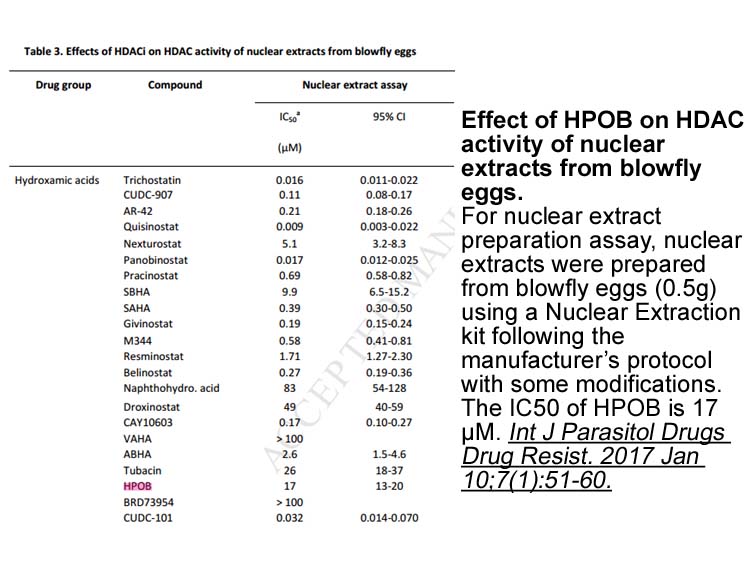
The rapidity of this specific immunosuppressive therapy suggests that it inhibits or apoptoses plasma cells. Most serum autoantibodies to AChR are produced by long-lived plasma cells residing in spleen and bone marrow. These terminally differentiated cells are resistant to most non-specific immunosu
-
Pathological angiogenesis occurs when an imbalance of
2023-11-10
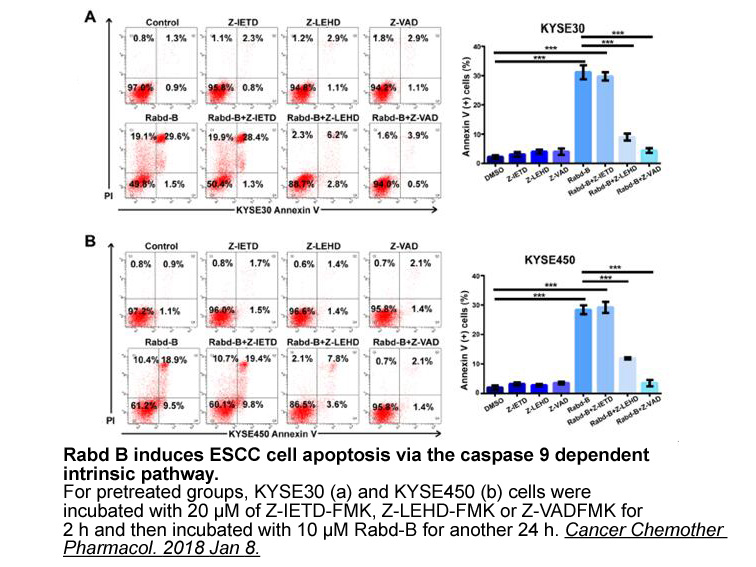
Pathological angiogenesis occurs when an imbalance of endogenous proangiogenic and antiangiogenic factors occurs. Although the focus of angiogenesis-related drug development has been geared to the discovery of antiangiogenic compounds for use in pathologies where excessive angiogenesis occurs (cance
-
Infections inflammation and corneal transplant can
2023-11-10
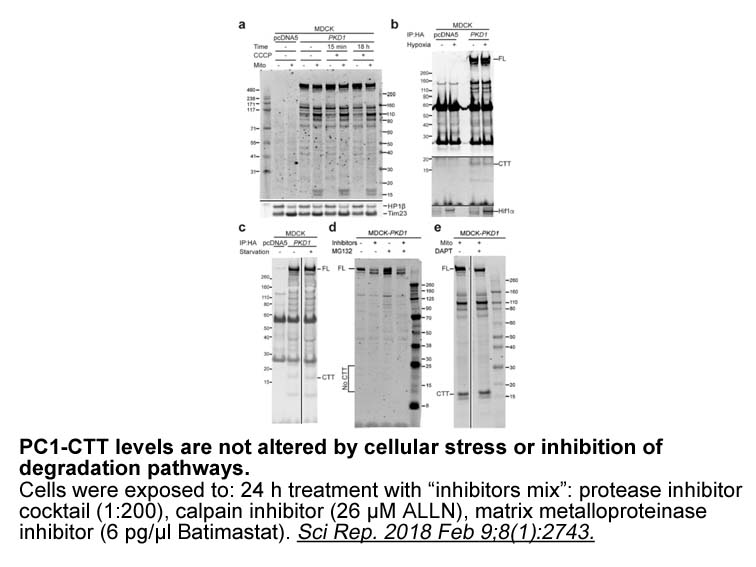
Infections, inflammation, and corneal transplant can all cause corneal neovascularization via upregulation of inflammatory cytokines, which attract myeloid Bialaphos sodium salt into the cornea. These myeloid cells establish a cycle of cytokine secretion and further myeloid cell recruitment in the c
-
br Conclusions br Transparency document br Acknowledgements
2023-11-09
Conclusions Transparency document Acknowledgements This work was supported by a grant from the European Commission FP6 “Neuroprion” – Network of Excellence and Royal Veterinary College Bioveterinary science research project funding. We thank Professor Alun Williams (Cambridge University) fo
-
Another important finding of our
2023-11-09
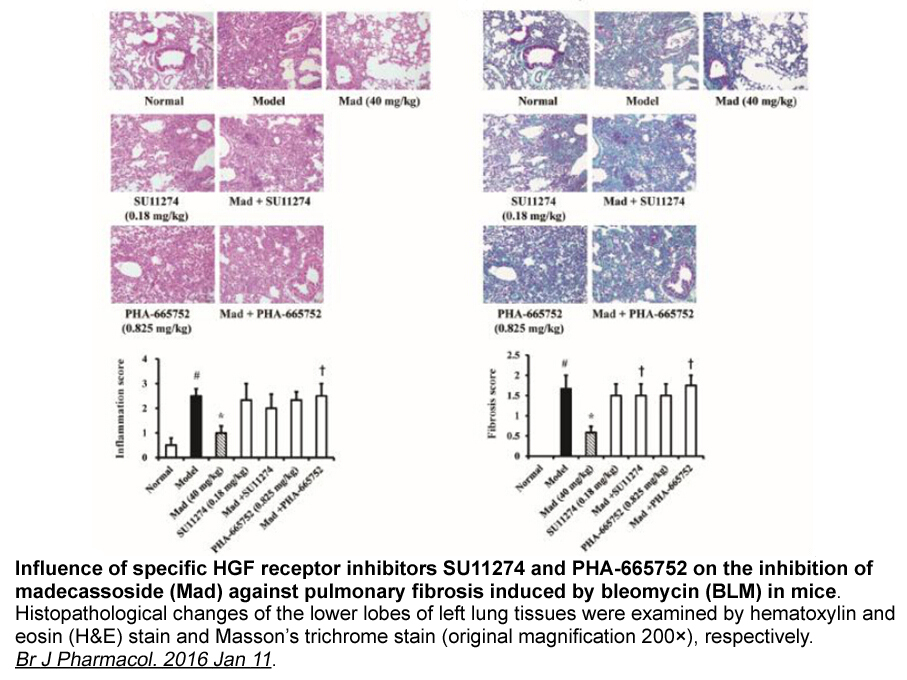
Another important finding of our study is the observation that high glucose per se does not affect TER in mature HREC monolayers; but at the same time it does upregulate ICAM-1 directly and activates HRECs to leukocyte adhesion. This would imply that high glucose affects TER in mature HREC monolayer
-
A limitation of the NIA
2023-11-09
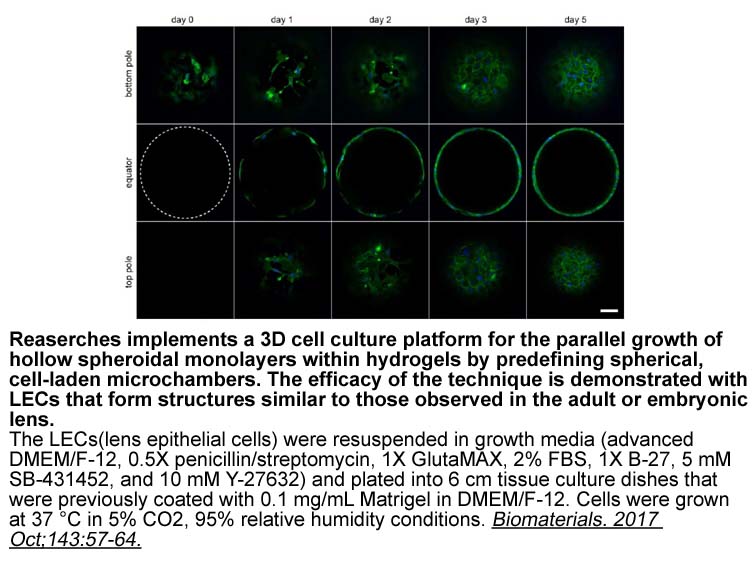
A limitation of the 2011 NIA-AA recommendations was that biomarkers were grouped into just two categories—amyloid and tau-related neurodegeneration. Tauopathy and neurodegeneration were placed into the same biomarker category. In persons with only AD, it is reasonable to assume that neurodegeneratio
-
Atypically BcALDH has a minor reducing
2023-11-09
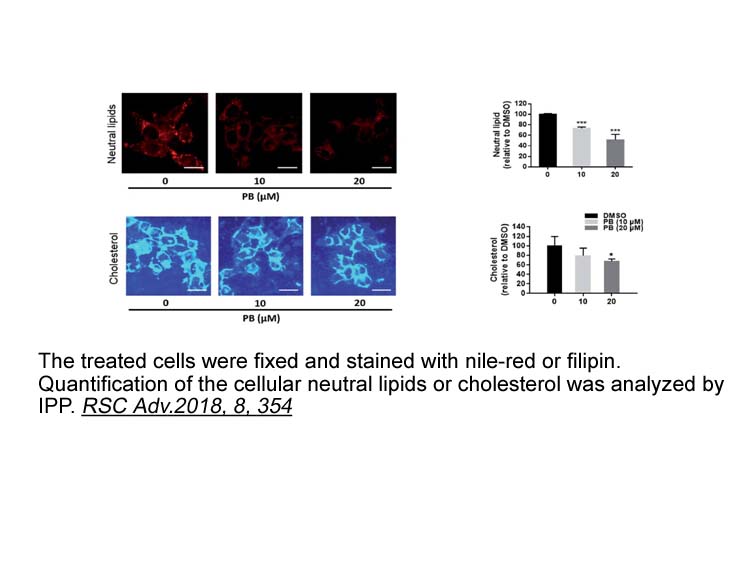
Atypically, BcALDH has a minor reducing activity for all-trans-retinal, which requires the binding of the reduced form of the NADP+ (NADPH) cofactor that is a side-product of the canonical oxidation activity of BcALDH. The reduction activity that converts all-trans-retinal to all-trans-retinol was r
-
Norepinephrine and epinephrine are catecholamines CA release
2023-11-09
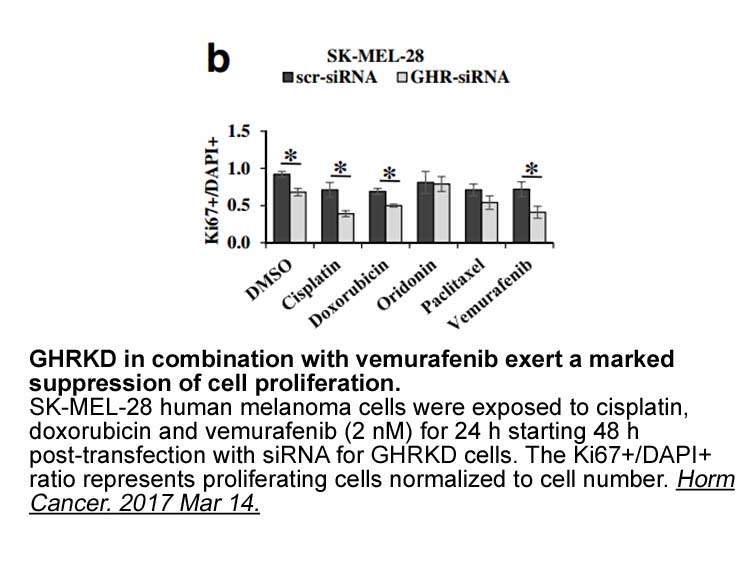
Norepinephrine and epinephrine are catecholamines (CA) released from synaptic nerves and the adrenal gland that mediate systemic responses to nutritional stressors (Cannon and De la Paz, 1911). CA mobilize plasma glucose by suppressing insulin secretion from the pancreatic β-cell (Katada and Ui, 198
-
G has been shown to participate in various
2023-11-09
Gβγ has been shown to participate in various MT-dependent processes such as cell growth and differentiation [15,[21], [22], [23], [24], [25], [26]]. G-protein β-subunit anti-sense oligonucleotides have been shown to inhibit cell proliferation and cause disorganization of the mitotic spindle in mamma
-
HATU Overexpression of SMAD and SMAD strongly enhanced lucif
2023-11-09

Overexpression of SMAD3 and SMAD4 strongly enhanced luciferase activity of the new pN10 reporter gene construct which was further reinforced by addition of TGFβ. Serial mutations of SBE-1 and SBE-2 led to a slight loss in 5-LO promoter inducibility. The data demonstrate that the two SBEs within the
7902 records 270/527 page Previous Next First page 上5页 266267268269270 下5页 Last page